 EN
 AR
 NL
 FI
 FR
 DE
 EL
 HI
 IT
 JA
 KO
 PT
 ES
 RU
 TL
 ID
 UK
 VI
 TH
 HU
 TR
 MS
 LA
 BN
 MN
 MY
 UZ
 KK


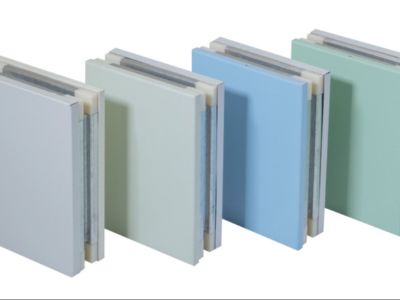
Air leakage control at clean room wall panel interfaces is a critical aspect of maintaining the integrity and performance of controlled environments. In industries such as pharmaceuticals, electronics, and healthcare, even minor air leaks can lead to contamination, loss of product quality, and regulatory compliance issues. This article will delve into the essential considerations for sourcing clean room wall panels, compare various air leakage control solutions, outline necessary specifications, discuss cost factors, and emphasize the importance of reliable supplier partnerships
Where to Source Quality Clean Room Wall Panels for Wholesale
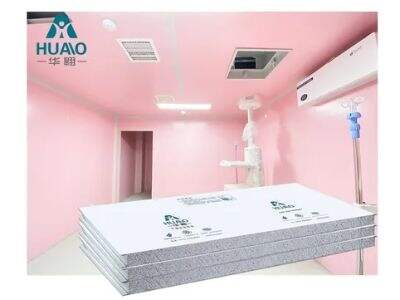
When sourcing clean room acoustic wall panels for wholesale, it is crucial to partner with manufacturers who specialize in high-quality cleanroom systems and materials. Look for suppliers that utilize advanced manufacturing equipment and possess experience in producing cleanroom solutions tailored to specific industry requirements. Providers like Huaao Clean Technology Group, known for their modular cleanrooms and diverse product range, including sandwich panels, doors, and windows, are ideal candidates
Ensure that suppliers can meet your quantity needs and provide options for customization. Consider their ability to deliver products that comply with industry standards, as this is vital for applications in sensitive environments. Additionally, verify their export capabilities if international shipping is required, as this can affect lead times and logistics management

Comparing Air Leakage Control Solutions for Clean Room Applications
Air leakage control solutions for clean rooms typically include various sealing technologies and panel configurations. Common methods include
Sealing Materials: The choice of sealant can significantly impact air leakage performance. Options range from flexible silicone to rigid gaskets, each offering different levels of resistance to contaminants and environmental conditions
Panel Interfaces: The design and assembly of panel interfaces are critical. Systems that utilize tongue-and-groove designs or interlocking edges tend to provide superior leakage control compared to simpler panel joints
Pressure Testing: Regular pressure testing of clean room environments can identify potential leakage points. Employing a manufacturer that offers testing services can ensure that the installed panels meet required specifications
When evaluating these solutions, consider the specific application environment, such as temperature fluctuations, humidity levels, and the potential for chemical exposure, as these factors will influence the effectiveness of the air leakage control measures
Specifications for Durable Clean Room Wall Panel Interfaces
Specifications for clean room wall panels interfaces should prioritize durability and compatibility with cleanroom standards. Key specifications include
Material Composition: The materials used for wall panels should resist moisture, chemicals, and thermal fluctuations. Common options include aluminum, stainless steel, and specialized composite materials
Panel Thickness: Thickness impacts not only durability but also insulation properties. Depending on the cleanroom classification, panels typically range from 50mm to 150mm thick
Surface Finish: A smooth, non-porous surface finish is essential for easy cleaning and contamination control. Options like powder coating or laminate finishes can enhance both aesthetics and performance
Edge Sealing and Joint Design: The integrity of the edge sealing is crucial. Look for manufacturers that employ robust sealing techniques to minimize gaps and enhance the overall air tightness of the cleanroom
Buyers should ensure that any specifications align with the cleanroom classification standards relevant to their industry, such as ISO 14644 for cleanrooms and controlled environments
Understanding Cost Factors for Clean Room Wall Panel Interfaces
Several factors influence the cost of clean room wall panel interfaces, including
Material Selection: The type of materials chosen will directly impact pricing. High-performance materials may incur higher upfront costs but can lead to savings in maintenance and replacement over time
Customization Requirements: Custom sizes, designs, or additional features, such as integrated windows or doors, can increase costs. Clearly define your requirements during the RFQ process to avoid unexpected price hikes
Production Volume: Higher order volumes usually lead to reduced unit costs. Manufacturers may offer price breaks based on quantity, so understanding your needs can lead to cost savings
Logistics and Delivery: Shipping costs can vary significantly based on distance and the complexity of delivery. Ensure that potential suppliers provide transparent logistics pricing along with their quotes
By thoroughly evaluating these cost factors, buyers can make informed decisions that align with their budget constraints while ensuring quality performance
Ensuring Reliability in Clean Room Wall Panel Supplier Partnerships
Building reliable partnerships with clean room wall panels us suppliers is essential for long-term success. Key aspects to consider when evaluating suppliers include
Quality Assurance Processes: Inquire about the supplier's quality control measures. A reputable manufacturer should have certifications that demonstrate adherence to industry standards and regular quality inspections
Customer Support: Strong customer support can make a significant difference in resolving any issues that arise. Ensure the supplier offers responsive communication and post-sale support
Experience and Reputation: Choose suppliers with a proven track record in the clean room industry. Research their history and client testimonials to gauge their reliability
Flexibility and Customizability: As project requirements can change, partnering with a supplier that demonstrates flexibility in production and delivery can help accommodate unforeseen challenges
By focusing on these elements, buyers can establish trustworthy relationships with suppliers that enhance their cleanroom operations and support ongoing success in maintaining air quality and contamination control
Table of Contents
- Where to Source Quality Clean Room Wall Panels for Wholesale
- Comparing Air Leakage Control Solutions for Clean Room Applications
- Specifications for Durable Clean Room Wall Panel Interfaces
- Understanding Cost Factors for Clean Room Wall Panel Interfaces
- Ensuring Reliability in Clean Room Wall Panel Supplier Partnerships
