 EN
 AR
 NL
 FI
 FR
 DE
 EL
 HI
 IT
 JA
 KO
 PT
 ES
 RU
 TL
 ID
 UK
 VI
 TH
 HU
 TR
 MS
 LA
 BN
 MN
 MY
 UZ
 KK


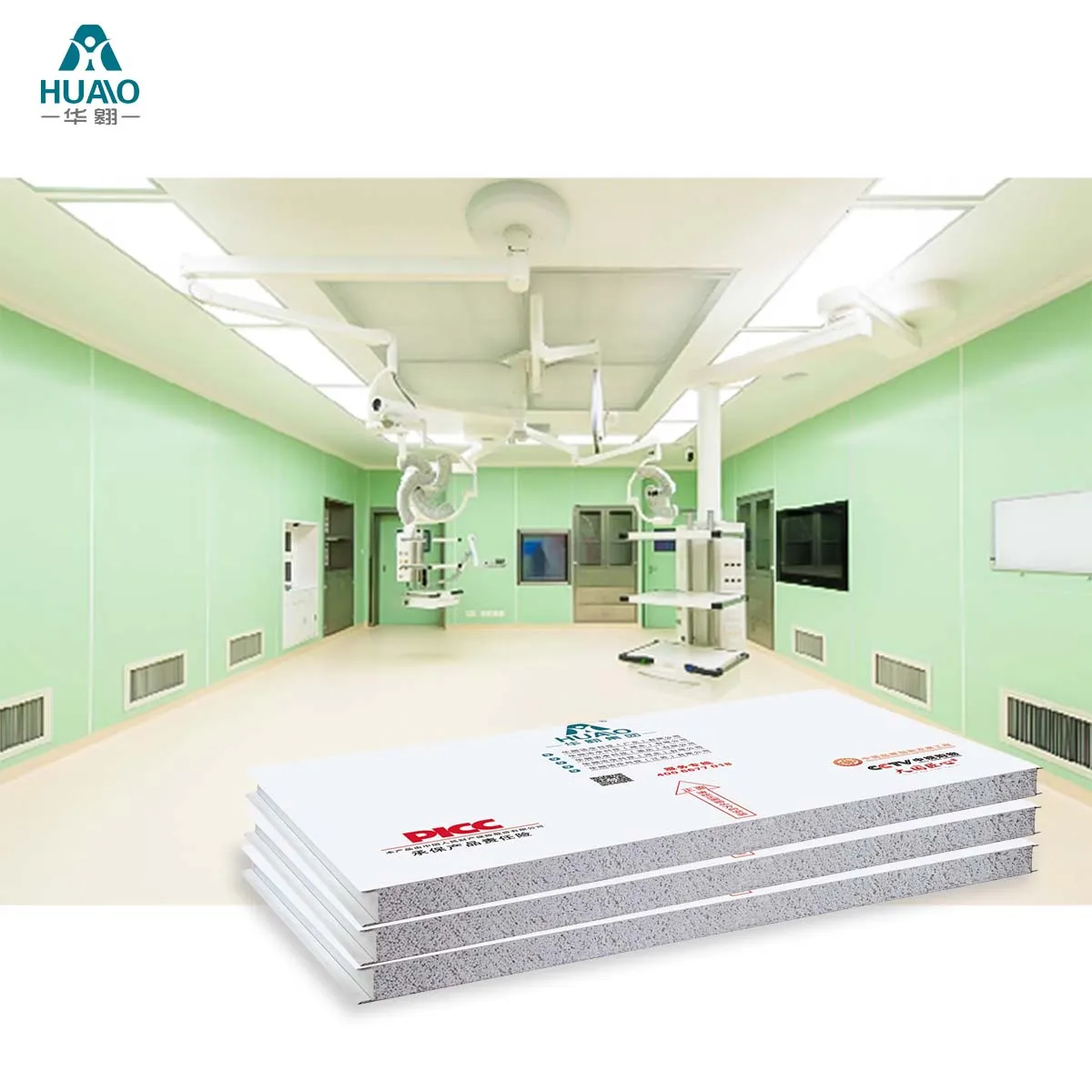
Fire-retardant core technologies for pharmaceutical clean room panels are essential components designed to ensure safety and compliance in environments where sterile conditions are critical. For B2B buyers, particularly in the pharmaceutical sector, understanding these technologies is crucial due to the stringent regulations and potential risks associated with fire hazards. This article will delve into the selection, evaluation, and application of fire-retardant core technologies to help you make informed purchasing decisions.
Choosing Fire-Retardant Core Technologies for Clean Room Panels
When selecting fire-retardant core technologies for clean room panels, several factors must be considered. First, the core material significantly impacts both fire resistance and insulation properties. Common materials include polystyrene, polyurethane, and mineral wool; each has unique properties that affect thermal insulation, fire behavior, and overall performance.
For pharmaceutical applications, compliance with standards such as ASTM E84 (Standard Test Method for Surface Burning Characteristics of Building Materials) is critical. Ensure the clean room panels you choose have been tested and certified to meet these standards. Additionally, consider the panel's thickness and overall configuration, as these factors influence not only fire performance but also structural integrity and compatibility with existing cleanroom systems.
Customization capabilities are also important. Panels should fit seamlessly into your cleanroom design, accommodating specific dimensions and aesthetic requirements while maintaining fire safety standards. Engaging with a manufacturer that offers tailored solutions can help address these needs effectively.
Where to Find Reliable Suppliers of Fire-Retardant Panels
Identifying trustworthy suppliers for fire-retardant clean room panels involves thorough research and evaluation. Start by looking for manufacturers with proven experience in the cleanroom industry, particularly those with a specialization in pharmaceutical applications. You can often find suitable suppliers through industry trade shows, online directories, or professional networking platforms.
Consider suppliers who have a strong export background, as this often indicates a commitment to quality and compliance with international standards. It's beneficial to request references or case studies demonstrating their expertise in providing fire-retardant panels for similar applications.
Moreover, assess their quality control processes. Suppliers should have rigorous testing protocols in place to ensure that their products consistently meet fire safety and performance standards. Certifications such as ISO 9001 can also indicate a commitment to quality management systems, which is vital for maintaining the integrity of your cleanroom environment.
How to Evaluate the Quality of Clean Room Panel Materials
Evaluating the quality of clean room panel materials is critical to ensure they meet both safety and performance standards. Start by examining the fire ratings of the materials used in the core. Look for modular clean room panels that have been tested for their fire resistance, ensuring they can withstand exposure to flames without compromising structural integrity.
The insulation properties of the core material also play a significant role. Assess thermal conductivity values to ensure the panel will maintain the necessary temperature control within your cleanroom. This is particularly important in pharmaceutical applications where temperature fluctuations can affect product integrity.
In addition to fire and thermal properties, consider the panel's surface finish and ease of cleaning. Smooth, non-porous surfaces are ideal for cleanroom environments, as they minimize contamination risks and simplify maintenance. Lastly, always request samples to inspect the material's quality firsthand, focusing on aspects like fit, surface finish, and overall durability.
Cost Factors for Wholesale Fire-Retardant Core Technologies
Cost considerations for wholesale fire-retardant core technologies can vary widely based on several factors. First, the choice of core material significantly affects pricing; for instance, polyurethane cores may be more costly than polystyrene due to their superior insulation properties.
Next, customization options can impact the overall cost. Tailored sizes, unique designs, or additional fire-resistant treatments can increase the price, but they may be necessary for meeting specific application requirements.
Additionally, consider the order volume. Many suppliers offer tiered pricing structures, where larger orders result in reduced per-unit costs. Be mindful of the minimum order quantities (MOQs) set by manufacturers, as these can affect your purchasing strategy.
Lastly, factor in shipping and handling costs, especially if you're dealing with international suppliers. Ensure that you discuss these aspects upfront to avoid unexpected expenses later on.
Understanding Applications of Fire-Retardant Technologies in Pharma
Fire-retardant technologies in pharmaceutical applications play a crucial role in maintaining safety and compliance in cleanroom environments. These technologies mitigate fire risks and contribute to overall facility safety, which is paramount in industries where sterile conditions are non-negotiable.
Pharmaceutical clean rooms often have stringent requirements for fire safety due to the presence of flammable materials and sensitive processes. Fire rated sandwich panel not only help contain potential fire hazards but also contribute to the overall structural integrity of the cleanroom.
In applications where volatile substances are handled, such as in the production of certain medications, the use of fire-retardant technologies can be a regulatory requirement. Buyers should work closely with manufacturers to ensure that their panels are designed specifically for these high-risk environments, providing the necessary fire ratings and compliance documentation.
In summary, understanding fire-retardant core technologies is essential for pharmaceutical clean room panels. By carefully evaluating materials, sourcing reliable suppliers, and considering the specific needs of your application, you can make informed decisions that ensure both safety and compliance in your cleanroom environments.
Table of Contents
- Choosing Fire-Retardant Core Technologies for Clean Room Panels
- Where to Find Reliable Suppliers of Fire-Retardant Panels
- How to Evaluate the Quality of Clean Room Panel Materials
- Cost Factors for Wholesale Fire-Retardant Core Technologies
- Understanding Applications of Fire-Retardant Technologies in Pharma
