 EN
 AR
 NL
 FI
 FR
 DE
 EL
 HI
 IT
 JA
 KO
 PT
 ES
 RU
 TL
 ID
 UK
 VI
 TH
 HU
 TR
 MS
 LA
 BN
 MN
 MY
 UZ
 KK


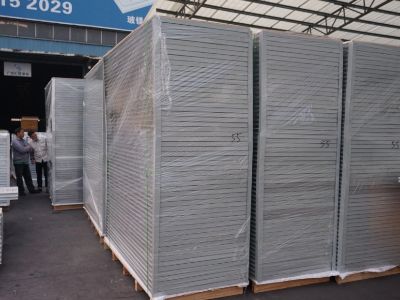
Flush joint design for contamination-controlled cleanroom walls is a critical consideration for industries that demand high standards of cleanliness, such as pharmaceuticals, electronics, and healthcare. This article will explore important considerations for selecting flush joint designs, evaluating quality, understanding cost factors, comparing sourcing options, and addressing common challenges during implementation, helping buyers make informed decisions. Huaao Clean Technology Group is a national high-tech enterprise specializing in cleanroom maintenance system materials. The company provides cleanroom sandwich panels, cleanroom doors and windows, cleanroom aluminum profiles, cleanroom PVC flooring, and cleanroom equipment for different controlled-environment applications
For B2B buyers evaluating flush joint clean room wall systems from HUAAO, factors such as panel materials, joint design, surface smoothness, sealing performance, contamination control, fire resistance, insulation performance, dimensional accuracy, cleanroom compatibility, installation requirements, customization options, quality control, production capacity, certifications, lead times, and after-sales support can be considered to determine whether the products meet specific cleanroom construction and operational requirements
Choosing the Right Flush Joint Design for Clean Room Walls
Selecting an appropriate flush joint design for clean room walls involves several key considerations. The design must ensure minimal gaps and joints, as these can harbor contaminants. For this reason, a flush joint design typically features smooth, continuous surfaces that are easy to clean and maintain
When evaluating designs, consider the specific application requirements, such as the level of cleanliness needed and the environmental conditions of the clean room. For instance, pharmaceutical clean rooms may require stricter adherence to cleanliness standards compared to those in electronics manufacturing. The material used—often a composite like aluminum or stainless steel—also plays a crucial role in durability and performance
Additionally, customization options can enhance the functionality of flush joint designs. Buyers may look for manufacturers who can tailor solutions based on their unique specifications, including wall thickness, insulation properties, and surface finishes. Understanding these parameters can lead to a more effective and efficient clean room setup
How to Evaluate the Quality of Flush Joint Clean Room Walls
Evaluating the quality of flush joint clean room walls requires attention to several critical factors. First, buyers should verify the material specifications, as the choice of materials directly affects durability and contamination resistance. For example, panels made from high-density polyethylene (HDPE) or stainless steel are often preferred for their non-porous characteristics and ease of cleaning
Next, assess the manufacturing processes used. A reputable manufacturer should employ advanced production techniques, such as precision cutting and high-quality welding, to ensure that joints are seamless and structurally sound. It is advisable to request detailed information on the quality control processes in place, including testing methods for ensuring that the panels meet industry standards
Finally, potential buyers should consider conducting on-site inspections or requesting samples for evaluation. This allows for firsthand assessment of the product's physical attributes, such as surface finish, joint integrity, and overall build quality. Engaging directly with the supplier can also provide insights into their expertise and reliability
Cost Factors to Consider When Sourcing Flush Joint Designs
The cost of sourcing flush joint designs for clean room wall panels can vary significantly based on several factors. First and foremost is the material choice; high-performance materials often come with a higher price tag but offer better long-term value due to their durability and lower maintenance costs
Customization needs can also impact pricing. Customized designs may require additional engineering and manufacturing time, which can increase the overall cost. It’s essential to clearly define project requirements upfront to obtain accurate quotes from suppliers
Other factors influencing cost include order quantity and lead time. Typically, larger orders may benefit from volume discounts, while expedited lead times could result in higher costs. Buyers should weigh the importance of delivery speed against budget constraints when negotiating with suppliers
Lastly, it is prudent to consider the total cost of ownership, which includes installation, maintenance, and potential replacement costs over the product's lifespan. A lower initial purchase price may not reflect the best value if the product requires frequent repairs or replacements
Wholesale Sourcing Options for Flush Joint Clean Room Materials
Wholesale sourcing of flush joint clean room materials can provide significant cost advantages for businesses looking to outfit large facilities. Engaging with reputable suppliers who specialize in cleanroom systems can streamline the procurement process and ensure that high-quality materials are used
When exploring wholesale options, buyers should assess the supplier's reputation in the industry. Look for established manufacturers with a proven track record of delivering quality products and responsive customer service. This can help mitigate risks associated with sourcing materials from less reliable sources
Additionally, buyers should inquire about the supplier’s capacity to meet large order requirements. Understanding production capabilities and lead times for large quantities is crucial in planning project timelines effectively. It’s also beneficial to discuss potential bulk discounts or loyalty programs that may reduce overall costs
Lastly, consider the supplier's ability to provide technical support and guidance throughout the purchasing process. A knowledgeable supplier can help navigate any technical challenges related to flush joint designs, ensuring that the final product meets all performance and regulatory standards
Common Problems with Flush Joint Designs and Their Solutions
Even with careful planning, issues can arise with flush joint designs in clean rooms. One common problem is the potential for joint failure, which can lead to contamination. This often occurs if the joints are not properly sealed during installation. To mitigate this, ensure that all installation protocols are strictly followed and consider using additional sealing materials where necessary
Another issue is the choice of materials that may not withstand the specific conditions of the clean room environment, such as exposure to harsh chemicals or extreme temperatures. It is crucial to select materials based on the intended use and environmental factors. Consulting with the manufacturer for recommendations can help avoid these pitfalls
Lastly, routine inspections and maintenance are essential for identifying and addressing potential problems early. Establishing a regular maintenance schedule can help ensure that any wear or damage to the flush joints is promptly repaired, preserving the integrity of the clean room environment
In summary, understanding the intricacies of flush joint design for contamination-controlled clean room walls is essential for making informed purchasing decisions. By considering factors such as design selection, quality evaluation, cost implications, wholesale sourcing options, and potential challenges, buyers can ensure they invest in solutions that meet their operational needs and compliance standards.
Table of Contents
- Choosing the Right Flush Joint Design for Clean Room Walls
- How to Evaluate the Quality of Flush Joint Clean Room Walls
- Cost Factors to Consider When Sourcing Flush Joint Designs
- Wholesale Sourcing Options for Flush Joint Clean Room Materials
- Common Problems with Flush Joint Designs and Their Solutions
