 EN
 AR
 NL
 FI
 FR
 DE
 EL
 HI
 IT
 JA
 KO
 PT
 ES
 RU
 TL
 ID
 UK
 VI
 TH
 HU
 TR
 MS
 LA
 BN
 MN
 MY
 UZ
 KK


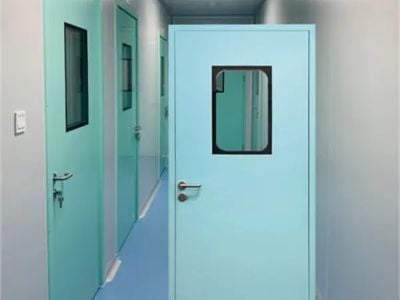
Choosing the right clean room doors is critical in facility planning, especially when deciding between hinged vs. sliding clean room doors. Each type presents unique advantages depending on the specific needs of the environment, whether it be in pharmaceuticals, electronics, or healthcare settings. This article will address key buyer concerns including specifications, quality evaluation, installation, common issues, and supplier selection, helping you make an informed decision for your next project
Key Specifications to Consider for Clean Room Door Selection
When selecting clean room doors, several specifications must be taken into account to ensure optimal performance. Key specifications include
Material: Clean room doors are typically made from materials like stainless steel, aluminum, or composite materials. The choice of material can affect durability, Cleanability, and resistance to chemicals. For instance, stainless steel is often preferred in pharmaceutical applications due to its resistance to corrosion and ease of cleaning
Sealing Mechanisms: The sealing capability of the door is crucial in maintaining the controlled environment of a fan filter unit for clean room. Look for doors with high-performance seals that minimize airflow and particulate ingress. This is particularly important in settings where contamination control is paramount
Dimensions and Weight: The door's dimensions should fit your specific opening, and weight can influence the choice between hinged and sliding designs. Sliding doors may be beneficial in tight spaces where a hinged door's swing could impede workflow
Load Capacity: Depending on the environment, consider the load capacity of the door. For example, doors that will frequently be used in high-traffic areas should be robust enough to handle daily wear and tear
Customization: Consider whether you need customized features, such as vision panels or automatic closers, which can enhance functionality in sensitive environments
Understanding these specifications will guide you in selecting the most suitable clean room door for your facility
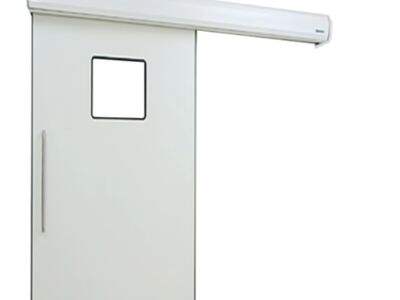
How to Evaluate Clean Room Door Quality for Bulk Purchases
Evaluating the quality of clean room doors before making a bulk purchase is essential to ensure they meet operational requirements. Here are some key factors to consider
Certifications: Look for doors that have been tested and certified according to industry standards such as ISO or GMP. These certifications help assure that the doors meet specific performance and quality benchmarks
Manufacturing Process: Understanding the manufacturing process can provide insights into the door's durability and reliability. High-tech manufacturing processes, such as those employed by Huaao Clean Technology Group, can result in higher quality products due to precision and control
Material Testing: Request reports on material testing, including resistance to chemicals, temperature fluctuations, and wear tests. This data will help you assess whether the doors can withstand the conditions in your clean room
Sample Testing: Before committing to a bulk order, obtain samples to evaluate their performance under actual conditions. Testing samples can reveal potential issues with fit, finish, and functionality
Supplier Reputation: Research supplier reviews and case studies to gauge their reliability and product quality. A supplier with a strong track record in the cleanroom industry is more likely to provide quality products
Taking these steps will help ensure that your bulk purchases meet your facility's stringent requirements
Installation Guidance for Hinged and Sliding Clean Room Doors
Proper installation of clean room doors is crucial for maintaining the integrity of the controlled environment. Here are some guidelines for installing hinged and sliding doors
Site Assessment: Before installation, conduct a thorough site assessment to determine the best positioning for the doors. Ensure that there is adequate space for hinged doors to swing freely or for sliding doors to operate without obstruction
Framework Preparation: Ensure that the door frame is square and level. For hinged doors, the hinges should be mounted at the correct height to prevent sagging. For sliding doors, track alignment is critical to ensure smooth operation
Sealing Installation: Pay special attention to the installation of seals. Properly installed seals are vital to prevent air leaks and maintain the clean room's integrity. Ensure that seals fit snugly against the door and frame
Testing Movement: Once installed, test the movement of the doors. Hinged doors should open and close smoothly without resistance, while sliding doors should glide effortlessly along their tracks
Final Inspection: Conduct a final inspection to ensure that all components are correctly installed and functioning as intended. This will help identify any issues before the doors are put into operation
Following these installation guidelines will help ensure that your clean room doors function correctly and maintain the desired environment
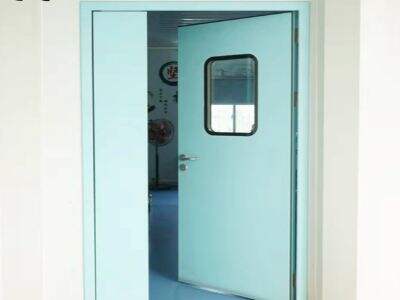
Common Problems with Clean Room Doors and Effective Solutions
Clean room doors can encounter various issues that may affect their performance. Here are some common problems and effective solutions
Seal Failure: Over time, seals may degrade, leading to air leaks. Regular maintenance checks should include inspecting seals for wear and tear. Replacing worn seals promptly will help maintain a controlled environment
Misalignment: Doors can become misaligned due to heavy usage or improper installation. Regularly check the alignment and make adjustments as needed. For sliding doors, ensure that tracks are clear and free of debris to facilitate smooth operation
Surface Contamination: The surfaces of clean room doors can accumulate dust and contaminants, which may compromise cleanroom standards. Establish a regular cleaning schedule using appropriate cleaning agents that do not leave residues
Hardware Malfunctions: Hinges and sliding mechanisms can wear out over time. Regularly inspect these parts and replace any that show signs of wear. Upgrading to high-quality hardware can prevent frequent replacements
By proactively addressing these common issues, you can ensure the longevity and effectiveness of your clean room doors
Finding Reliable Suppliers for Clean Room Doors in Bulk Orders
When sourcing clean room doors for bulk orders, selecting a reliable supplier is essential. Here are some tips for finding trustworthy suppliers
Industry Experience: Look for suppliers with extensive experience in the cleanroom sector. Companies like Huaao Clean Technology Group, known for their specialization in cleanroom systems, can provide valuable insights and expertise
Product Range: A supplier that offers a wide range of clean room doors and related products can be beneficial. This allows for a one-stop shopping experience, making it easier to find complementary products
Customization Capabilities: Ensure the supplier can accommodate specific requirements, such as customized sizes or features, to meet your facility's unique needs
Customer Support: Choose a supplier that provides strong customer support, including assistance with technical questions, installation guidance, and after-sales service
References and Reviews: Request references from previous clients and check online reviews to evaluate the supplier's reputation. Positive feedback from other businesses can be a good indicator of reliability
By considering these factors, you can select a supplier that meets your bulk ordering needs while ensuring quality and performance in your clean room products environment
Table of Contents
- Key Specifications to Consider for Clean Room Door Selection
- How to Evaluate Clean Room Door Quality for Bulk Purchases
- Installation Guidance for Hinged and Sliding Clean Room Doors
- Common Problems with Clean Room Doors and Effective Solutions
- Finding Reliable Suppliers for Clean Room Doors in Bulk Orders
