 EN
 AR
 NL
 FI
 FR
 DE
 EL
 HI
 IT
 JA
 KO
 PT
 ES
 RU
 TL
 ID
 UK
 VI
 TH
 HU
 TR
 MS
 LA
 BN
 MN
 MY
 UZ
 KK


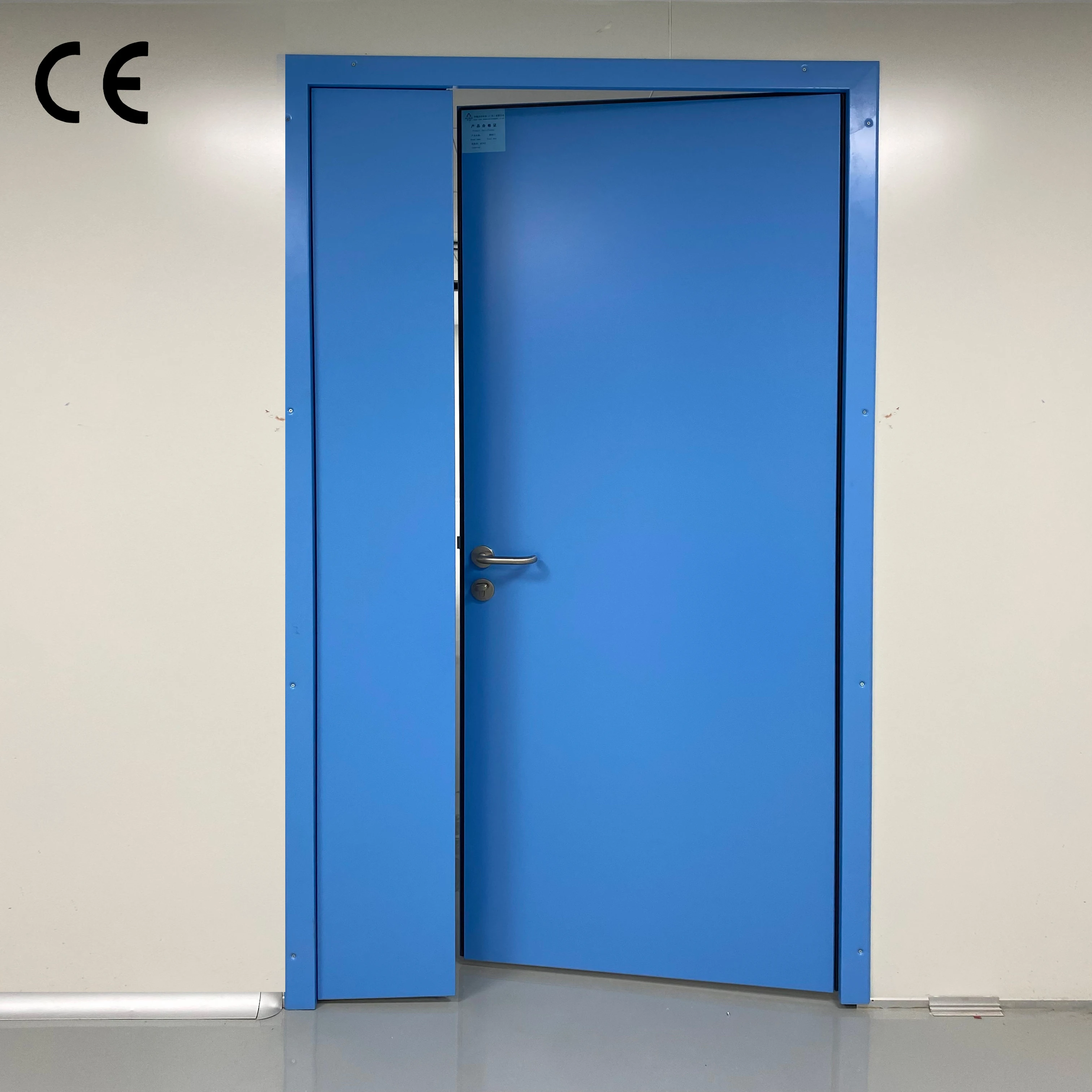
Clean room door sealing profiles are critical components in maintaining the air-tightness of cleanroom environments, which is essential for industries such as pharmaceuticals, electronics, and hospitals. Ensuring proper sealing is vital to prevent contamination, control environmental conditions, and optimize operational efficiency. We will explore how to choose the right clean room door sealing profiles, their impact on cost and performance, and key considerations to keep in mind when making your selection.
Choosing the Right Clean Room Door Sealing Profiles for Maximum Airtightness
Selecting the appropriate cleanrooms doors sealing profiles is crucial for maintaining the desired levels of cleanliness and controlling air pressure within a cleanroom. Factors to consider include the profile material, design, and compatibility with existing cleanroom systems.
Material Selection: Common materials for sealing profiles include silicone, EPDM rubber, and thermoplastic elastomers (TPE). Each material has its unique properties, such as temperature resistance, chemical compatibility, and durability. For instance, silicone is preferred for its high-temperature resistance, while EPDM is suitable for environments with exposure to chemicals.
Profile Design: The design of the sealing profile should complement the door structure and application requirements. Profiles with a larger contact surface area may enhance the airtight seal. Additionally, designs that accommodate door movement and prevent wear are vital for long-term performance.
Compatibility: Ensure that the sealing profiles are compatible with the door materials and the overall cleanroom system. Mismatched materials can lead to degradation, loss of sealing efficiency, and increased contamination risk.
How Clean Room Door Sealing Profiles Affect Cost and Performance
The choice of clean room door sealing profiles significantly influences both operational costs and the overall performance of cleanroom environments.
Initial Investment vs. Long-Term Savings: While high-quality sealing profiles may come with a higher upfront cost, they can lead to long-term savings by reducing energy costs associated with HVAC systems. A well-sealed cleanroom minimizes air leakage, thus lowering heating and cooling requirements.
Impact on Performance: Sealing profiles that fail to maintain air-tightness can lead to increased contamination levels, requiring more frequent cleaning and maintenance. This not only impacts operational efficiency but can also lead to costly downtime.
Quality Assurance: Investing in reputable sealing profiles ensures compliance with industry standards, which can protect against potential liability and ensure product quality. Always consider the long-term performance and reliability of the sealing profiles when evaluating cost.
Understanding the Technical Specifications of Clean Room Door Sealing Profiles
When evaluating clean room door sealing profiles, several technical specifications should be taken into account:
Dimensions: The thickness and width of the profiles must match the door and frame dimensions to achieve a proper seal. Inadequate sizing can lead to gaps that compromise airtight.
Compression Set: This specification indicates the material's ability to return to its original shape after being compressed. A low compression set is desirable, as it ensures a consistent seal over time.
Durometer Hardness: Measured on a Shore scale, Durometer hardness affects the sealing profile's flexibility and resilience. Softer profiles may provide a better seal but can wear out faster, while harder profiles may last longer but might not conform as well to irregularities.
Temperature Range: Each material has a specified temperature range for optimal performance. Understanding the operating conditions of the cleanroom technology helps in selecting profiles that can withstand those temperatures without degradation.
Key Considerations
When selecting clean room door sealing profiles, consider the following key factors:
Application Requirements: Different cleanroom classifications (e. g., ISO 5, ISO 7) may have specific sealing requirements based on the cleanliness level and airflow patterns. Understanding these requirements is essential for proper sealing selection.
Environment: Evaluate the environmental conditions, including exposure to chemicals or extreme temperatures, to ensure the sealing profile will withstand these factors without losing effectiveness.
Regulatory Compliance: Ensure that the selected sealing profiles comply with relevant industry standards and regulations. This is especially critical in pharmaceutical and medical applications where strict compliance is mandatory.
Supplier Capabilities: Choose a supplier that offers a variety of profiles and customization options to meet your specific needs. A reliable supplier should also provide guidance on installation and maintenance practices.
Common Problems with Clean Room Door Sealing Profiles and Their Solutions
Although clean room door sealing profiles are designed to perform reliably, several common problems can arise:
Degradation Over Time: Exposure to harsh chemicals or repeated compression can lead to material degradation. Regular inspections and replacement of worn profiles can prevent this issue. Consider profiles made from materials that offer chemical resistance and durability.
Improper Installation: Inadequate installation can lead to leaks. Ensure that the sealing profiles are installed according to the manufacturer's specifications. It may be beneficial to engage professional installers familiar with cleanroom standards.
Environmental Factors: Changes in temperature or humidity can affect the integrity of the seal. Ensure that the sealing profiles are suitable for the specific environmental conditions of the cleanroom, and monitor conditions regularly.
Maintenance Challenges: Regular maintenance is crucial for ensuring the ongoing effectiveness of sealing profiles. Implement a routine maintenance schedule that includes checking for signs of wear, cleaning, and timely replacement.
By understanding the importance of cleanroom sliding doors sealing profiles and their impact on airtight, buyers can make informed decisions that enhance the efficiency and compliance of their cleanroom environments.
Table of Contents
- Choosing the Right Clean Room Door Sealing Profiles for Maximum Airtightness
- How Clean Room Door Sealing Profiles Affect Cost and Performance
- Understanding the Technical Specifications of Clean Room Door Sealing Profiles
- Key Considerations
- Common Problems with Clean Room Door Sealing Profiles and Their Solutions
