 EN
 AR
 NL
 FI
 FR
 DE
 EL
 HI
 IT
 JA
 KO
 PT
 ES
 RU
 TL
 ID
 UK
 VI
 TH
 HU
 TR
 MS
 LA
 BN
 MN
 MY
 UZ
 KK


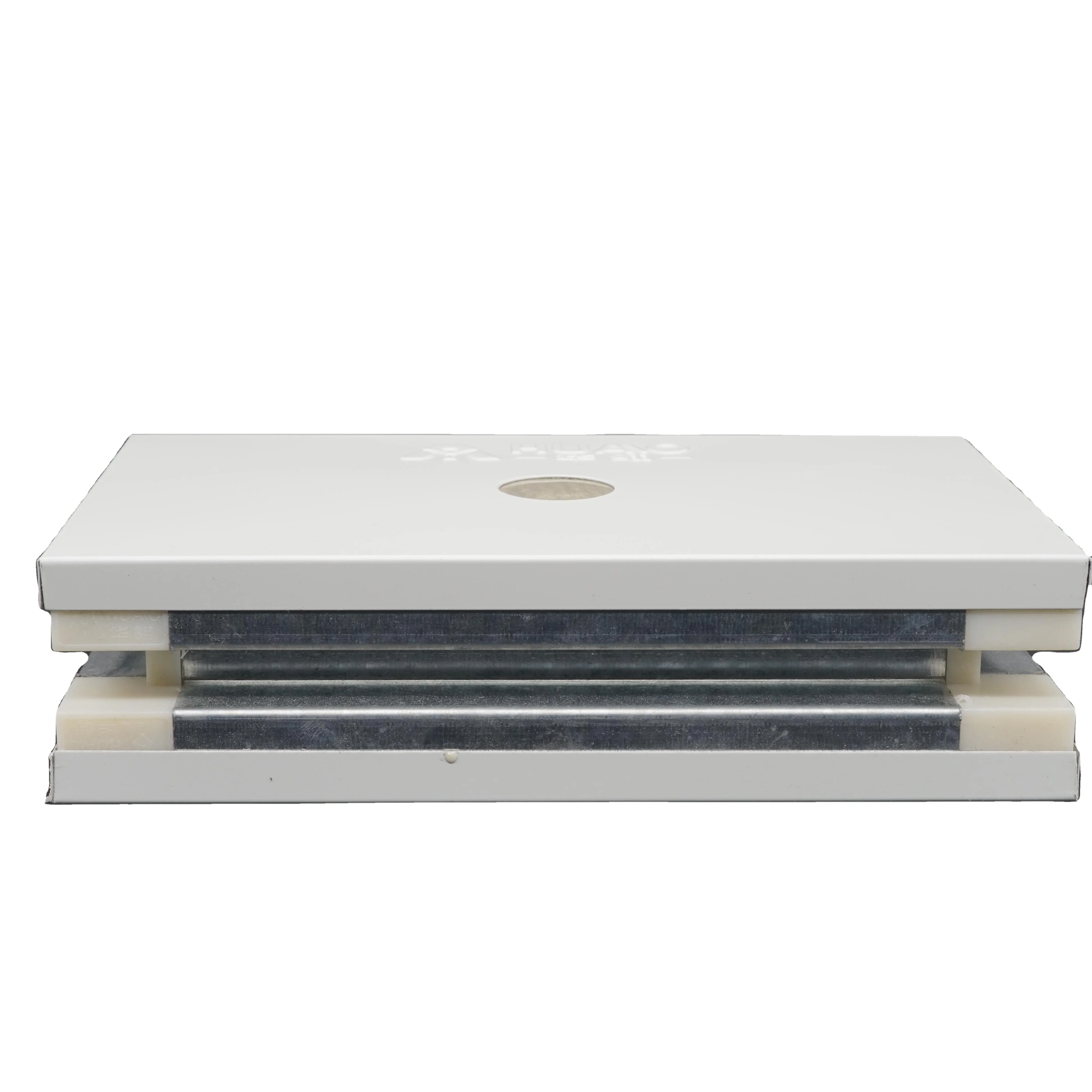
When selecting clean room doors for industrial facilities, a key consideration is choosing between sandwich panel doors and solid core clean room doors. Understanding the differences, specifications, and cost factors associated with these door types is essential for purchasing managers and facility engineers. This article will help you navigate the critical aspects of sandwich panel versus solid core clean room doors, ensuring you make an informed decision that meets your operational requirements and budget constraints.
Key Differences Between Sandwich Panel and Solid Core Clean Room Doors
Sandwich panel clean room doors are constructed with an insulating core sandwiched between two outer layers, typically made of metal or other durable materials. This design offers excellent thermal insulation and soundproofing, making them suitable for environments that require temperature and noise control, such as pharmaceutical manufacturing and electronics production.
In contrast, solid core clean room doors are made from a single piece of material, often high-density fiberboard or solid metal. These doors are generally thicker and provide superior durability and resistance to impact. Solid core doors are ideal for facilities where frequent heavy traffic occurs or where there is a higher risk of damage, such as in manufacturing or warehousing applications.
The choice between the two primarily depends on the specific needs of the facility. Sandwich panel doors may be preferred for their lightweight nature and insulation properties, while solid core doors are favored for their robustness and longevity in demanding environments.
Specifications to Consider for Sandwich Panel Clean Room Doors
When evaluating sandwich panel clean room doors, several specifications are critical to ensure they meet your facility's needs:
Thickness: The thickness of the door affects its insulation properties and durability. Standard thicknesses range from 40mm to 80mm. Thicker doors generally provide better thermal performance but may be heavier and require more robust framing.
Material: Common materials for the outer layers include galvanized steel, stainless steel, or aluminum. The choice of material impacts corrosion resistance, cleaning ease, and overall maintenance.
Core Material: The insulating core can be made from polystyrene, polyurethane, or mineral wool. Polyurethane offers the best thermal resistance, while mineral wool is favored for fire-resistant applications.
Sealing: Proper sealing is crucial to maintain cleanroom standards. Look for doors with a continuous gasket seal that minimizes air leakage and helps control contamination.
Finishing: The surface finish of the door should be smooth and easy to clean, as this is vital for maintaining cleanliness in a controlled environment.
Understanding these specifications will help you assess door options effectively and ensure they align with your operational requirements.
Cost Factors in Sourcing Clean Room Doors for Bulk Orders
When sourcing clean room doors, several cost factors can influence your budget, particularly for bulk orders:
Material Costs: The choice of materials significantly impacts the overall price. For example, stainless steel doors tend to be more expensive than standard galvanized options due to their durability and corrosion resistance.
Customization: Custom sizes, colors, and features (such as windows or specific locking mechanisms) will add to the cost. It's essential to determine your exact requirements before requesting quotes.
Volume Discounts: Suppliers may offer discounts for bulk orders, which can reduce the per-unit cost. It's beneficial to discuss your projected needs with your supplier to explore potential savings.
Shipping and Handling: Depending on the location of your facility, shipping costs can vary significantly. Additionally, consider the handling requirements for large or heavy doors, which may necessitate special equipment or services.
Lead Time: Longer lead times can impact project timelines and potentially increase costs if expedited shipping is required. Ensure you clarify lead times when discussing orders with suppliers.
By factoring in these elements, you can better prepare your budget and negotiate effectively with suppliers.
Installation Guidance for Sandwich Panel Clean Room Doors
Proper installation of sandwich panel clean room doors is crucial to ensure optimal performance and compliance with cleanroom standards. Here are key points to consider during installation:
Preparation: Ensure that the opening is square, level, and free from debris. Any irregularities can affect the door's fit and performance.
Frame Installation: Install the door frame first, ensuring it is securely anchored. Use appropriate materials and fasteners based on the wall type (e. g., concrete, drywall).
Hanging the Door: Attach the door to the frame using heavy-duty hinges that can support the door's weight. Verify that the door swings freely and does not bind against the frame.
Sealing: Once the door is hung, install the seal around the perimeter to minimize air leakage. Check that the seal compresses evenly when the door is closed.
Testing: After installation, test the door for proper operation. Ensure it opens and closes smoothly, and check the integrity of the seal to confirm it meets cleanroom standards.
Following these guidelines will help ensure that the sandwich panel doors perform effectively in maintaining cleanroom conditions.
Common Problems with Clean Room Doors and Their Solutions
Despite their robust design, clean room doors can encounter several common issues that may affect their performance:
Air Leakage: Over time, seals may wear out or become damaged, leading to unwanted air leakage. Regular inspections can help identify this issue early. Replacing worn seals promptly will maintain the integrity of the cleanroom environment.
Misalignment: Frequent use can cause doors to become misaligned, leading to operational difficulties. Realigning the door and frame can often resolve this issue, but it’s essential to ensure that hinges and fasteners are secure.
Surface Damage: Scratches or dents in the door surface can harbor contaminants. Regular cleaning and maintenance are crucial. In some cases, refinishing the surface may be necessary to restore its integrity.
Failure of Hardware: Locks, hinges, and other hardware components can fail over time. Conduct routine maintenance checks to identify and replace these components before they fail completely.
Thermal Issues: If temperature control is compromised, check for insulation failure or gaps in sealing. Addressing these issues quickly is vital to maintaining the required clean room design conditions.
By being proactive about these common problems, facility managers can ensure the longevity and effectiveness of their clean room doors, safeguarding the environment critical for operations.
Table of Contents
- Key Differences Between Sandwich Panel and Solid Core Clean Room Doors
- Specifications to Consider for Sandwich Panel Clean Room Doors
- Cost Factors in Sourcing Clean Room Doors for Bulk Orders
- Installation Guidance for Sandwich Panel Clean Room Doors
- Common Problems with Clean Room Doors and Their Solutions
