 EN
 AR
 NL
 FI
 FR
 DE
 EL
 HI
 IT
 JA
 KO
 PT
 ES
 RU
 TL
 ID
 UK
 VI
 TH
 HU
 TR
 MS
 LA
 BN
 MN
 MY
 UZ
 KK


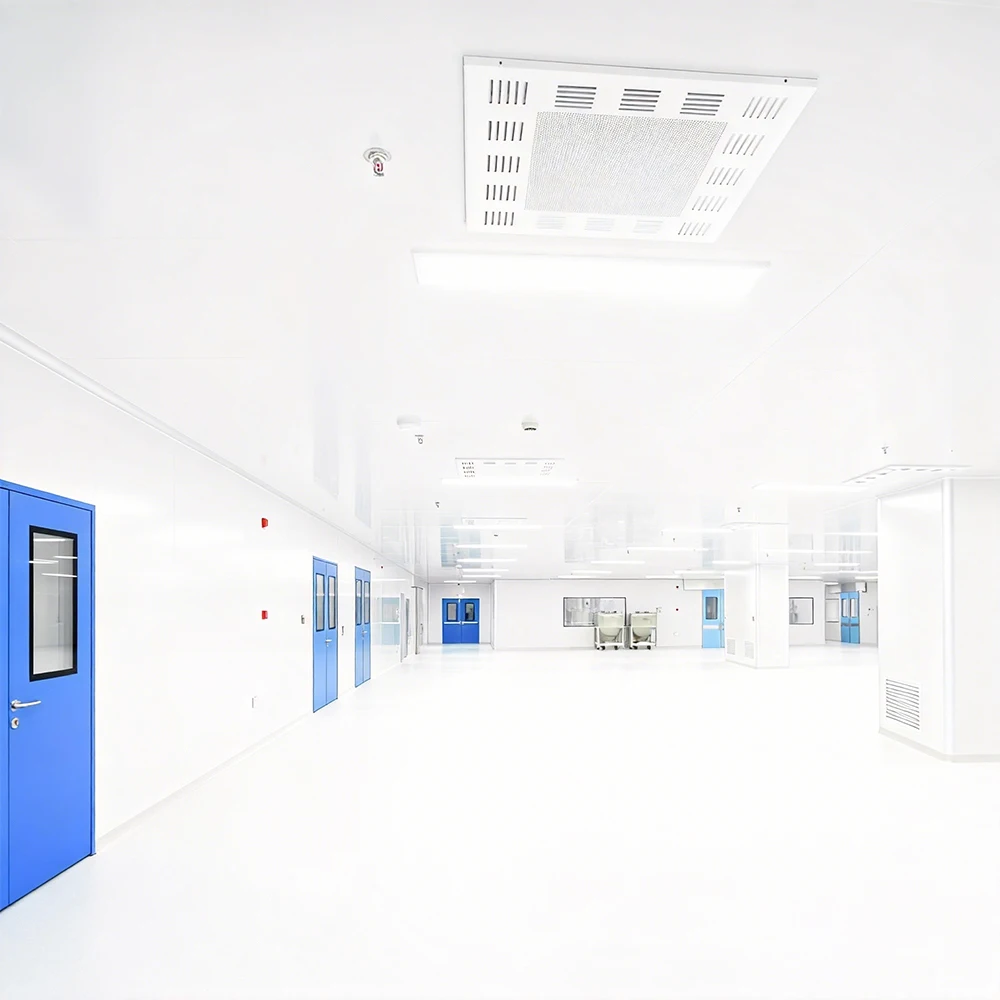
Interlocked clean room windows for high-containment facilities are specialized products designed to maintain the integrity of controlled environments in industries such as pharmaceuticals, electronics, and healthcare. As a B2B buyer, you may have concerns regarding safety, compliance, installation, and long-term performance. This article will provide essential insights into the selection, installation, common issues, pricing, and key features to look for when sourcing interlocked clean room windows, ensuring that you make informed purchasing decisions.
Choosing Interlocked Clean Room Windows for High-Containment Facilities
When selecting interlocked clean room windows, it’s crucial to consider several factors that affect both functionality and compliance. These windows are specifically designed to prevent contamination and maintain stringent regulatory standards, making them ideal for high-containment facilities.
Material Selection: The primary materials used for interlocked clean room doors and windows include tempered glass and specialized polymers. Tempered glass is preferred for its durability and resistance to thermal stress, while polymers can offer better insulation and weight advantages. Assess the specific requirements of your facility to determine the most suitable material.
Dimensions and Configuration: The window dimensions should align with the architectural layout of the cleanroom. Custom sizes may be necessary to fit existing structures. Additionally, consider the configuration of the windows, such as single or double-pane options, to optimize performance based on your facility's needs.
Sealing and Insulation Properties: Proper sealing is critical for maintaining pressure differentials and preventing leaks. Look for windows with high-quality sealing systems that can withstand the operational conditions of your cleanroom, including temperature fluctuations and humidity levels.
Compliance and Certifications: Ensure that the windows meet industry standards, such as ISO class ratings for cleanrooms. Certifications from recognized bodies can provide assurance of the product's efficacy in maintaining cleanroom standards.
Installation Guidance for Interlocked Clean Room Windows
Proper installation of interlocked clean room windows is essential for ensuring their performance and longevity. Here are key steps to guide you through the installation process:
Pre-Installation Assessment: Before installation, conduct a thorough assessment of the installation site. Check for structural integrity, alignment, and ensure that the surrounding walls are free from contaminants.
Follow Manufacturer Instructions: Each manufacturer may have specific installation guidelines. Adhering to these instructions is vital for maintaining warranty conditions and ensuring optimal performance.
Sealing Application: During installation, pay close attention to the application of sealants. Use high-performance sealants that are compatible with the materials of the window and the surrounding structure to prevent air and moisture infiltration.
Quality Assurance Checks: After installation, perform quality assurance checks to verify that the windows are properly sealed and that there are no visible gaps. This will help in maintaining the cleanliness and integrity of the cleanroom environment.
Common Problems with Clean Room Windows and Practical Solutions
Despite their robustness, interlocked clean room door window can encounter issues over time. Here are some common problems and solutions:
Seal Failure: A common issue is the deterioration of seals, which can lead to contamination. Regular inspections should be scheduled to identify and replace seals that show signs of wear or damage.
Condensation: This can occur if there is inadequate insulation or temperature control. Ensure that the windows are correctly installed and that the insulation properties are adequate for your facility's operating conditions.
Scratches and Surface Damage: Over time, the glass or polymer surfaces may develop scratches that can compromise visibility and cleanliness. Use appropriate cleaning methods and materials recommended by the manufacturer to minimize surface damage.
Frame Corrosion: If the frames are made of metal, they may be susceptible to corrosion in humid environments. Consider using corrosion-resistant materials such as anodized aluminum or stainless steel for frames to enhance durability.
Understanding Pricing for Clean Room Windows
Pricing for interlocked clean room windows can vary widely based on several factors. Understanding these factors can help you budget effectively:
Material and Construction: The type of material and construction complexity significantly influence the price. Custom sizes and specialized materials will typically cost more than standard options.
Quantity: Bulk orders may qualify for volume discounts. Assess your needs carefully to determine the most cost-effective approach to procurement.
Customization: If your facility requires specific features, such as enhanced insulation or additional safety measures, customization can increase the base price. Ensure that you balance the need for these features against your budget.
Lead Time and Shipping Costs: Consider the lead time required for manufacturing and shipping. Longer lead times may affect overall project timelines, so factor this into your planning.
What to Look For
When sourcing interlocked clean room windows, consider the following key attributes:
Performance Specifications: Look for windows that provide excellent thermal insulation, UV protection, and sound dampening. These features contribute to a controlled environment essential for high-containment facilities.
Durability: Evaluate the durability of the materials used, especially in relation to your specific operational conditions. This includes resistance to chemicals, temperature extremes, and physical impact.
Maintenance Requirements: Understand the maintenance needs of the windows. Some materials may require regular upkeep to maintain their performance, while others may be more resilient with lower maintenance needs.
Warranty and Support: Inquire about warranty terms and the level of support provided by the manufacturer. A strong warranty can be indicative of the manufacturer’s confidence in their product’s quality.
By paying attention to these critical factors, you can ensure that you select the right interlocked clean rooms windows for your high-containment facility, ultimately enhancing safety and operational efficiency.
