 EN
 AR
 NL
 FI
 FR
 DE
 EL
 HI
 IT
 JA
 KO
 PT
 ES
 RU
 TL
 ID
 UK
 VI
 TH
 HU
 TR
 MS
 LA
 BN
 MN
 MY
 UZ
 KK


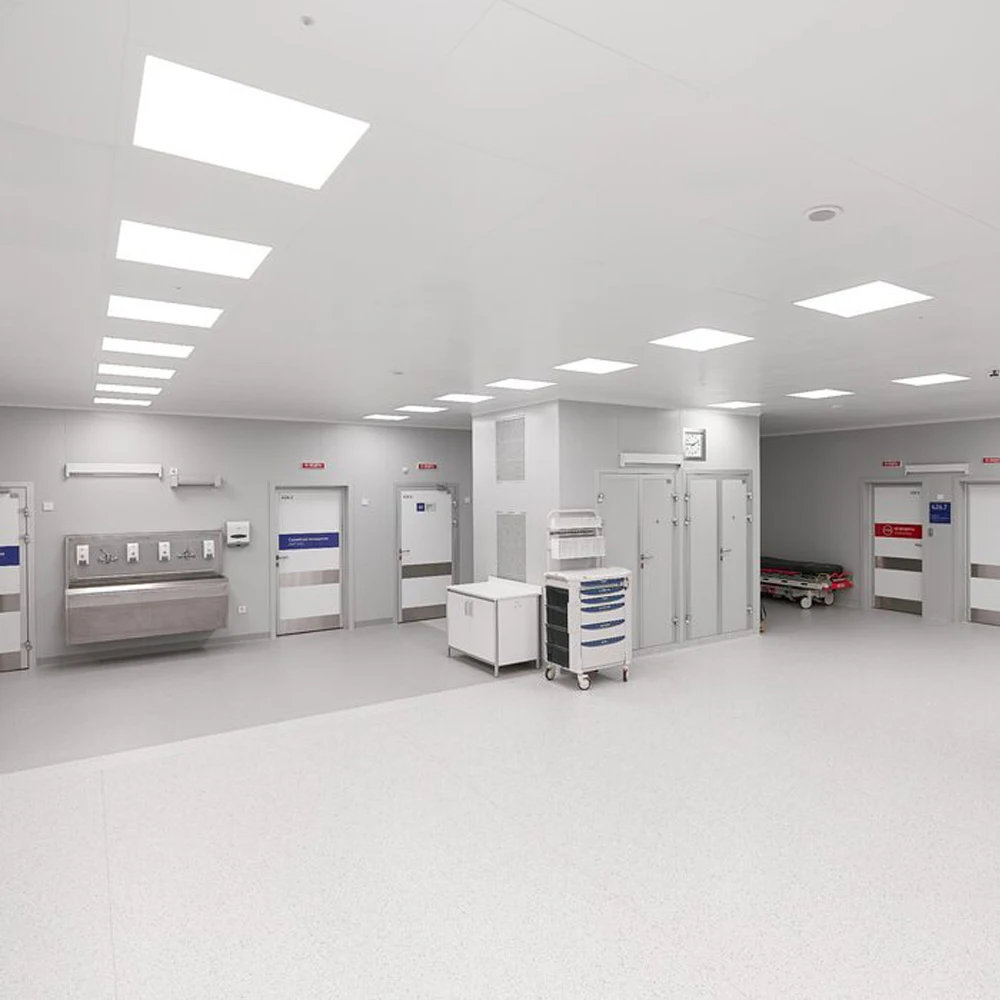
Low-E glass is an essential component in the design and construction of energy-efficient clean room facilities. This specialized glass minimizes the transfer of heat and enhances insulation, making it ideal for maintaining controlled environments in applications such as pharmaceuticals, electronics, and healthcare. As businesses increasingly prioritize energy efficiency and environmental sustainability, understanding low-E glass applications becomes crucial for purchasing managers and engineers tasked with sourcing materials for clean room projects. This article will explore the key benefits of low-E glass, reliable supplier options, specifications to consider, installation guidance, and application scenarios across various industries.
Key Benefits
Low-E glass, or low-emissivity glass, offers several advantages that make it suitable for clean room environments. The primary benefit is its ability to reduce heat transfer, which helps maintain stable internal temperatures. This is particularly important in clean room equipment, where temperature fluctuations can impact sensitive processes and product quality.
Another significant advantage is the glass's ability to minimize UV radiation without compromising natural light. This feature is essential for protecting sensitive materials and equipment from degradation caused by UV exposure. Furthermore, low-E glass can enhance energy efficiency, contributing to reduced operational costs over time. The energy savings achieved through its thermal performance can lead to a faster return on investment, making it an attractive option for businesses looking to optimize their clean room facilities.
Reliable Supplier Options
When selecting a supplier for low-E glass, it is vital to consider manufacturers with a proven track record in the clean room industry. Huaao Clean Technology Group is a national high-tech enterprise specializing in cleanroom systems and materials, including low-E glass. With a commitment to quality and innovation, reliable suppliers should be able to provide detailed product specifications, certifications, and clear information about their manufacturing processes.
Buyers should evaluate potential suppliers based on their experience in the clean room sector, their production capabilities, and customer service. Factors such as lead times, minimum order quantities (MOQ), and customization options should also be discussed. A supplier's ability to provide samples and technical support during the selection process can help ensure that the right product is chosen for specific clean room applications.
Comparing Low-E Glass Specifications for Clean Room Use
When assessing low-E glass for clean room applications, several key specifications should be compared:
Emissivity Levels: The emissivity rating indicates how much heat is transferred through the glass. Lower emissivity levels (typically below 0.10) denote better insulation properties, which are crucial for maintaining temperature control in clean rooms.
Thickness: The thickness of the glass affects its structural integrity and thermal performance. Common thicknesses range from 4 mm to 12 mm, and the choice should align with the specific requirements of the clean room environment.
Coating Types: Low-E glass can be categorized into various coating types, including soft coat and hard coat. Soft coat has a lower emissivity and is more effective at insulating; however, it is often not as durable as hard coat. Assessing the type of coating is essential for ensuring longevity and performance.
Solar Heat Gain Coefficient (SHGC): This measurement indicates the amount of solar radiation transmitted through the glass. A lower SHGC is preferred in cleanrooms to prevent excess heat from entering the space, especially in warmer climates.
Visible Light Transmittance (VLT): VLT measures how much natural light passes through the glass. A balance between adequate daylighting and UV protection is crucial in clean room environments.
Buyers should work closely with their suppliers to confirm these specifications based on their clean room's unique requirements and intended applications.
Installation Guidance for Low-E Glass in Clean Room Settings
Proper installation of low-E glass is critical to maximizing its performance in clean room applications. Here are key considerations for installation:
Environment Control: Ensure that the installation area is free from dust and contaminants, as even minor particles can compromise the clean room's integrity.
Frame Compatibility: Verify that the framing system used for the low-E glass is compatible with the glass's specifications, including thickness and thermal performance. This ensures a proper seal and enhances energy efficiency.
Sealing Materials: Use appropriate sealing materials that are compatible with the low-E glass and the clean room environment. This will help prevent moisture intrusion and maintain the clean room's air quality.
Testing After Installation: Once installed, conduct air leakage tests and temperature assessments to verify that the low-E glass is performing as expected. This is essential for ensuring that the clean room meets regulatory standards.
Regular Maintenance: Schedule regular inspections to check for any signs of damage or wear. Proper maintenance helps sustain the performance of low-E glass over time.
By following these guidelines, businesses can optimize the installation process and ensure that their clean room facilities operate efficiently.
Application Scenarios for Low-E Glass in Various Industries
Low-E glass is versatile and can be utilized in various industries requiring clean room environments:
Pharmaceuticals: In pharmaceutical manufacturing, low-E glass helps maintain a stable temperature and protect sensitive products from UV degradation. It is commonly used in walls, windows, and doors of clean rooms where precise environmental control is critical.
Electronics: The electronics industry benefits from low-E glass in clean rooms, where it helps mitigate static electricity and maintain a controlled atmosphere. This is vital for producing high-quality electronic components with minimal defects.
Healthcare: Hospitals and laboratories utilize low-E glass to create sterile environments. The glass's thermal efficiency helps reduce energy costs while ensuring that patient care areas maintain optimal temperatures.
Food Processing: In food processing clean rooms, low-E glass can enhance energy efficiency while protecting sensitive ingredients from UV light. This application is particularly important for maintaining product quality and safety.
Biotechnology: Biotechnology laboratories rely on low-E glass to create environments that support sensitive research and development processes. Its insulation properties help maintain consistent temperatures and humidity levels, crucial for experimental accuracy.
In summary, low-E glass applications in energy-efficient clean room facility are essential across various industries. By understanding its benefits, specifications, installation requirements, and applications, businesses can make informed purchasing decisions that enhance their operational efficiency and compliance with industry standards.
