 EN
 AR
 NL
 FI
 FR
 DE
 EL
 HI
 IT
 JA
 KO
 PT
 ES
 RU
 TL
 ID
 UK
 VI
 TH
 HU
 TR
 MS
 LA
 BN
 MN
 MY
 UZ
 KK


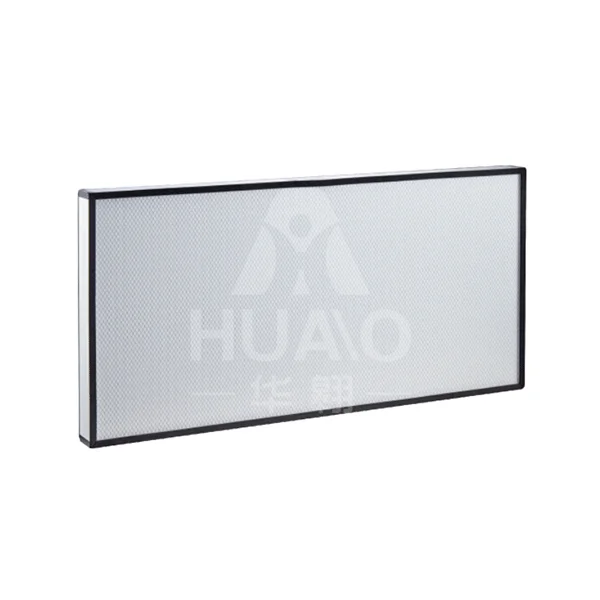
Choosing the right frame material for cleanroom window systems is crucial for maintaining the integrity of a controlled environment. In the debate of aluminum vs. stainless steel frames for clean room window systems, buyers often weigh factors such as cost, durability, and suitability for specific applications. This article will explore these considerations, providing insights that help purchasing managers and engineers make informed decisions in selecting the best frame material for their cleanroom needs.
Choosing Aluminum vs. Stainless Steel Frames for Clean Room Windows
When deciding between aluminum and stainless steel frames for cleanroom window systems, several factors must be considered. Aluminum is lightweight and corrosion-resistant, making it a popular choice for many cleanroom applications. It is also more cost-effective, which can be beneficial for projects with tight budgets. However, aluminum may not provide the same structural strength as stainless steel, especially in high-stress environments.
On the other hand, stainless steel frames offer superior strength and durability, making them ideal for cleanrooms that require a robust solution. They are highly resistant to corrosion and can withstand harsher cleaning agents, which is crucial in maintaining sterile conditions. While stainless steel frame aluminium profile tend to be more expensive, their longevity and low maintenance can justify the higher initial investment.
Ultimately, the choice between aluminum and stainless steel frames depends on the specific requirements of the cleanroom, including the type of industry, environmental conditions, and budget constraints.
Aluminum vs. Stainless Steel Window Systems
Aluminum and stainless steel frames each have distinct advantages and disadvantages affecting cleanroom window systems.
Aluminum Frames:
Weight: Aluminum frames are lighter, which can simplify installation and reduce the structural load on buildings.
Cost: Generally more affordable than stainless steel, making them an attractive option for large-scale projects.
Corrosion Resistance: While aluminum is resistant to corrosion, it is not immune. Special coatings may sometimes be necessary in extremely corrosive environments.
Stainless Steel Frames:
Strength: Stainless steel offers superior strength, making it suitable for environments that demand high structural integrity.
Chemical Resistance: Resistant to a wider range of chemicals, stainless steel frames can endure more aggressive cleaning protocols without degrading.
Maintenance: Although typically requiring more initial investment, stainless steel frames often have lower long-term maintenance costs due to their durability.
When selecting between these two materials, consider the specific applications within the cleanroom, including any chemical exposure, load requirements, and the expected lifespan of the installation.
Installation Guidance for Aluminum and Stainless Steel Frame Systems
Proper installation of clean room doors and windows systems is vital for maintaining the integrity of the controlled environment. Here are some key considerations for both aluminum and stainless steel frame systems:
Site Preparation: Ensure the installation area is clean and free from contaminants. This includes the window opening and surrounding structures.
Frame Alignment: Both aluminum and stainless steel frames must be properly aligned during installation. Misalignment can lead to gaps that allow contaminants to enter the cleanroom. Use a level and measuring tools to ensure precision.
Sealing: Adequate sealing is crucial for preventing air leaks. Choose compatible sealants that can withstand the specific environmental conditions of the cleanroom. For stainless steel, ensure that seals do not react with the metal.
Fastening: Use appropriate fasteners designed for the chosen frame material. For stainless steel frames, use non-corrosive fasteners to avoid galvanic corrosion.
Testing: After installation, conduct a thorough inspection and testing to confirm that the frames are airtight and meet cleanroom standards.
Following these guidelines will ensure a successful installation, contributing to the overall performance of the cleanroom window systems.
Common Problems with Clean Room Window Frames and Their Solutions
Cleanroom window frames can encounter several common issues that may affect their performance:
Corrosion: While both aluminum and stainless steel are resistant to corrosion, improper installation or environmental factors can lead to deterioration. Regular inspections and maintenance can help identify early signs of corrosion. For aluminum frames, applying protective coatings may extend their lifespan.
Seal Failure: Over time, seals may degrade, leading to leaks. Implementing a routine inspection schedule can help catch seal failures early. Replacing seals as part of regular maintenance will ensure continued performance.
Misalignment: Frames that are not properly aligned can lead to air leaks and contamination. Regular checks and adjustments during installation can prevent this issue.
Thermal Expansion: Both materials expand and contract with temperature changes. Proper allowances for thermal movement during installation can mitigate the risk of frame distortion.
By proactively addressing these common problems, buyers can ensure the reliability and effectiveness of their cleanroom window systems.
Wholesale Purchasing Considerations for Clean Room Window Systems
When purchasing cleanrooms window systems in bulk, buyers should consider several key factors to optimize their procurement process:
Specifications: Clearly define the required specifications, including dimensions, frame material, and performance criteria. This will facilitate accurate quotations from suppliers.
Minimum Order Quantity (MOQ): Understand the supplier’s MOQ policies, as this can affect pricing and inventory management. Some suppliers may offer flexibility in MOQs for larger orders.
Customization Needs: If specific modifications are required, such as unique dimensions or additional features, discuss customization options with suppliers early in the procurement process.
Lead Times: Inquire about the expected lead times for production and delivery. This is especially important for projects with tight schedules.
Quality Assurance: Evaluate the supplier’s quality control processes to ensure that products meet industry standards. Request information regarding certifications and testing protocols.
Packaging and Shipping: Understand packaging methods to ensure safe delivery. Discuss shipping options and costs, particularly for international orders.
By considering these factors, purchasing managers can make informed decisions that align with their project requirements and budget constraints.
In summary, the choice between aluminum and stainless steel frames for cleanroom window systems involves evaluating several critical factors, including material properties, installation guidelines, and wholesale purchasing considerations. By understanding these aspects, B2B buyers can make informed decisions that enhance the performance and reliability of their cleanroom environments.
Table of Contents
- Choosing Aluminum vs. Stainless Steel Frames for Clean Room Windows
- Aluminum vs. Stainless Steel Window Systems
- Installation Guidance for Aluminum and Stainless Steel Frame Systems
- Common Problems with Clean Room Window Frames and Their Solutions
- Wholesale Purchasing Considerations for Clean Room Window Systems
