 EN
EN
 AR
AR
 NL
NL
 FI
FI
 FR
FR
 DE
DE
 EL
EL
 HI
HI
 IT
IT
 JA
JA
 KO
KO
 PT
PT
 ES
ES
 RU
RU
 TL
TL
 ID
ID
 UK
UK
 VI
VI
 TH
TH
 HU
HU
 TR
TR
 MS
MS
 LA
LA
 BN
BN
 MN
MN
 MY
MY
 UZ
UZ
 KK
KK


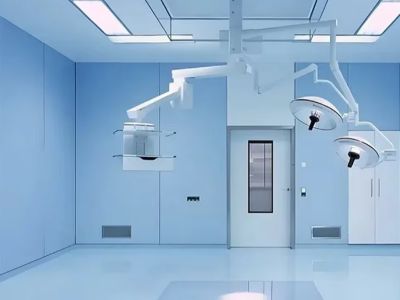
In every hospital, the operating room is one of the most important places. It is where doctors perform surgeries and help patients feel better. To keep everything safe and clean, these rooms must follow certain cleanroom standards. Cleanroom standards are rules that help create a safe environment. A clean operating room helps prevent infections and keeps patients healthy. Our company, HUAAO, knows how important it is to maintain a clean operating room. We believe that every hospital should have the best cleanroom standards to protect patients and medical staff
What Are the Essential Cleanroom Standards for Operating Rooms
To keep an operating room clean, there are some essential cleanroom standards. First, the air quality must be very high. This means that the air should be free from dust, germs, and other harmful particles. Special filters, like HEPA filters, are often used to clean the air. These filters can trap tiny particles that you cannot see. Another important standard is controlling humidity and temperature. If the air is too humid or too dry, it can create problems. Good operating room doors usually keep the humidity between 30% and 60%. The temperature should also be comfortable for the medical team. Next, cleanliness is key. Staff must follow strict cleaning protocols. This includes disinfecting surfaces and equipment before and after surgeries. The floors should be cleaned regularly, and any spills must be cleaned up right away. Staff should also wear special gowns, masks, and gloves to keep everything clean. Another standard involves limiting the number of people in the operating room. Fewer people mean less chance for germs to spread. Only those who are needed for the surgery should be in the room. It is also important to have proper training for the staff. Everyone needs to know how to maintain cleanliness and follow the protocols. Lastly, regular checks and maintenance of the equipment are necessary. This ensures that everything is working properly and helps to keep the environment clean. With these essential cleanroom standards in place, hospitals can provide a safe and clean environment for surgeries
What Cleanroom Classifications Should Every Operating Room Meet
Operating rooms must meet specific cleanroom classifications to ensure they are safe for surgery. The classifications are based on the level of cleanliness required. The most common system used is called ISO classification. This system divides Clean room aluminum into different classes. For example, an ISO Class 5 cleanroom is cleaner than an ISO Class 7 cleanroom. For operating rooms, an ISO Class 5 is often recommended. This means that the air in the room must have no more than 3,520 particles per cubic meter. This is very strict because it helps to protect patients from infections. Operating rooms should also maintain these standards during surgeries to keep the environment as clean as possible. Another classification is the use of positive air pressure. This means that the air pressure inside the operating room is higher than outside. This helps keep germs from coming in from other areas of the hospital. The air is constantly pushed out, and this helps maintain the cleanliness of the room. In addition, the design of the operating room is important. It should have smooth surfaces and no corners where dirt can collect. The lights and equipment should also be easy to clean. Having the right design helps in maintaining the cleanroom classification. Finally, regular testing and monitoring of the air quality are necessary. Hospitals need to check if they meet the required classifications frequently. This helps ensure that the operating room remains safe for both patients and medical staff. By meeting these cleanroom classifications, hospitals can create a better environment for surgeries, making sure patients have the best care possible
Common Challenges in Maintaining Operating Room Cleanroom Standards
In operating rooms, keeping everything clean is very important. However, many people face problems when trying to maintain cleanroom standards. One common issue is the presence of dust and germs. Dust can come from many places, like the air or even from the clothes of people who enter the room. When dust and germs are in the operating room, they can make it harder to perform surgery safely. Another issue is the way people wear their protective gear. Surgeons and nurses need to wear special clothes, masks, and gloves to keep the area clean. If anyone forgets to wear these items or doesn’t wear them properly, it can cause problems. Additionally, sometimes tools and equipment are not cleaned correctly. If surgical tools are not sterilized, they can carry germs into the patient’s body. This can lead to infections, which can make patients very sick. Another challenge is the air quality in the operating room. Good air quality helps keep the room clean. If the air is not filtered properly, it can allow harmful particles to enter. This is why companies like HUAAO work hard to create solutions to help keep operating rooms clean. They provide products and tools that help maintain the right atmosphere and cleanliness needed for surgeries. Everyone in the hospital must work together to follow cleanroom standards. This means that doctors, nurses, and other staff must understand how to keep the operating room as clean as possible
How to Stay Updated and Why Cleanroom Standards Matter
To keep up with the best ways to maintain cleanrooms in healthcare, it’s important to know where to find the latest guidelines. Healthcare providers can visit reliable websites that focus on cleanliness in hospitals. These websites often publish updated information about cleanroom standards. Many organizations that specialize in health and safety also share important tips and rules. For example, the Centers for Disease Control and Prevention (CDC) has guidelines that hospitals can follow. These guidelines help ensure that everyone knows the best practices for keeping operating rooms clean. Another good source of information is professional journals related to healthcare. These journals often have articles written by experts about the latest research and findings. Hospitals can also learn from other healthcare facilities. By visiting other hospitals and seeing how they maintain cleanliness, healthcare providers can gather ideas and improve their own practices. HUAAO also plays a role by providing educational resources and training for healthcare staff. By attending workshops and seminars, healthcare workers can learn about the latest techniques and standards. Staying updated on cleanroom guidelines is crucial for providing safe care to patients
Benefits of Following Cleanroom Standards in Surgery
Following cleanroom standards in surgery has many benefits, both for patients and healthcare providers. First and foremost, keeping the operating room clean helps protect patients from infections. When the area is free of germs and dirt, patients have a lower chance of getting sick after surgery. This means they can heal faster and go home sooner. Clean operating rooms also help doctors and nurses do their jobs better. When everything is organized and clean, it is easier for them to find tools and equipment. This can make surgeries quicker and more efficient. If everyone follows cleanroom standards, the whole surgical team can work smoothly together. Moreover, maintaining cleanroom standards can improve the hospital's reputation. Patients and their families feel safer knowing that the hospital takes cleanliness seriously. They are more likely to trust the doctors and nurses when they see that the facility follows strict hygiene rules. This trust can lead to more patients choosing that hospital for their care. Companies like HUAAO help support these efforts by providing top-quality products that assist in maintaining cleanliness and organization in operating rooms. Overall, adhering to cleanroom standards is essential for ensuring patient safety and the success of surgeries. It benefits everyone involved in the healthcare process.
Table of Contents
- What Are the Essential Cleanroom Standards for Operating Rooms
- What Cleanroom Classifications Should Every Operating Room Meet
- Common Challenges in Maintaining Operating Room Cleanroom Standards
- How to Stay Updated and Why Cleanroom Standards Matter
- Benefits of Following Cleanroom Standards in Surgery
