 EN
EN
 AR
AR
 NL
NL
 FI
FI
 FR
FR
 DE
DE
 EL
EL
 HI
HI
 IT
IT
 JA
JA
 KO
KO
 PT
PT
 ES
ES
 RU
RU
 TL
TL
 ID
ID
 UK
UK
 VI
VI
 TH
TH
 HU
HU
 TR
TR
 MS
MS
 LA
LA
 BN
BN
 MN
MN
 MY
MY
 UZ
UZ
 KK
KK


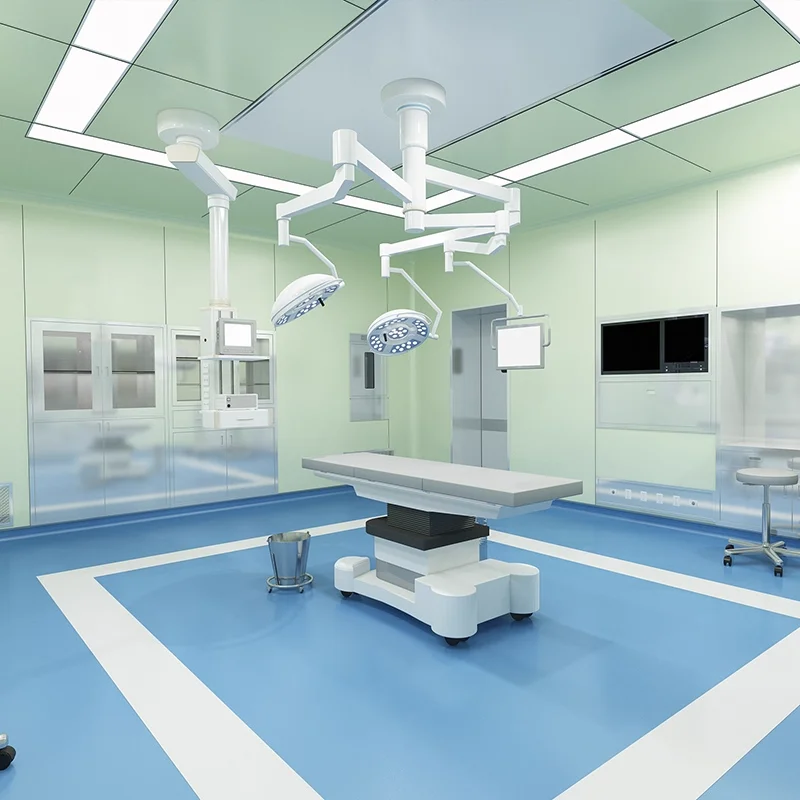
Cleanliness in operating rooms is super important for keeping patients safe. When doctors and nurses work in these rooms, they need everything to be very clean. This is because germs can make people sick. Different types of surgeries need different levels of cleanliness. Some surgeries are more serious and need a higher level of cleanliness to prevent infections. At HUAAO, we know that making sure operating rooms are clean is key to helping doctors and patients.
How to Determine Cleanliness Standards for Different Operating Rooms
To know how clean an operating room should be, hospitals look at what kind of surgery will happen there. For example, a room for heart surgery needs to be cleaner than a room for a simple procedure like stitching up a cut. Hospitals have special rules about how to clean these rooms. The cleaning process includes wiping down surfaces, sterilizing tools, and making sure the air is clean. Hospitals usually have teams that check if the rooms are clean enough. They might use special lights to see if there are any germs left. It’s also important for staff to wear clean clothes and gear. They must wash their hands a lot too! If a room is not clean enough, it can lead to infections, which is very bad for patients. Each operating room might have a different cleanliness grade. The highest grade means it is super clean and safe for very serious surgeries. The lower grades are still clean but may not be good enough for the most delicate procedures. This system helps everyone to know how safe each room is for surgeries.
Where to Find Wholesale Guidelines on Operating Room Cleanliness?
When looking for rules about cleanliness in operating rooms, hospitals can check various places. One good source is health departments. They often have guidelines that hospitals must follow. These rules help keep patients safe and healthy. Another place to find information is through medical organizations. These groups study cleanliness and share their findings on how to keep operating room doors safe. Hospitals can also use products from companies like HUAAO that specialize in medical cleanliness. They offer tools and supplies that help make cleaning easier. Online resources are also available, where hospitals can find articles, videos, and manuals about cleaning standards. It’s essential to keep these guidelines handy because they help everyone understand what to do. Regular training for staff on these standards is important too. This ensures that everyone knows how to keep the operating rooms clean. Following these guidelines means that patients can feel safe and secure when they need surgery. Cleanliness is not just a job; it’s a commitment to health and safety.
How Cleanliness Grades Impact Surgical Outcomes in Hospitals
Cleanliness in operating rooms is very important. It is not just about how things look; it is about keeping patients safe during surgery. Hospitals use different cleanliness grades to make sure that the operating rooms are as clean as possible. The highest grades mean that the area is very clean and free from germs. When an operating room has a high cleanliness grade, it helps to lower the chances of infections. Infections can make patients very sick and can even lead to longer hospital stays. When doctors and nurses work in a clean room, they can focus better on the surgery. They do not have to worry about germs that could make a patient sick.
When surgeries happen in a clean environment, patients usually have better outcomes. This means they heal faster and feel better sooner. If the cleanliness grade is low, there is a greater risk of complications after surgery. This can lead to more problems and make recovery take much longer. Hospitals aim for the best cleanliness grades to ensure their patients are safe. To keep these high standards, hospitals often check the cleanliness of their operating rooms regularly. They use special tools and tests to see how clean the surfaces and equipment are. This helps to catch any problems early. The goal is always to make the operating room a safe place for surgeries.
Where to Source Quality Products for Operating Room Hygiene?
Keeping operating rooms clean requires the right products. Hospitals need to buy high-quality cleaning supplies to keep everything safe and hygienic. One great source is our company, HUAAO. We provide a wide range of cleaning products designed specifically for operating clean room panels. Our products are made to kill germs and keep surfaces clean. When hospitals use top-notch products, they can maintain high cleanliness grades. This helps protect patients during their surgeries.
Hospitals should look for cleaning products that are effective and safe. It is important to choose products that are approved for medical use. Our company, HUAAO, makes sure all our products meet these high standards. We also provide detailed instructions on how to use our cleaning supplies properly. This way, hospital staff can make the most out of the products they use. Good cleaning products are not just about killing germs; they also make cleaning easier and faster. This is crucial in busy hospitals where time is limited.
Buying in bulk can also be a good idea for hospitals. This way, they will have enough supplies on hand without running out. It is also cost-effective. HUAAO offers bulk purchasing options for hospitals to help them save money. In addition to cleaning supplies, hospitals should invest in equipment like mops, wipes, and disinfectants. The right tools make a big difference in keeping an operating room hygienic. By choosing quality products from HUAAO, hospitals can ensure they have what they need to maintain cleanliness and keep their patients safe.
How to Effectively Train Staff on Operating Room Cleanliness Standards?
Training staff on cleanliness standards in operating rooms is very important. When everyone knows the rules, it helps keep the operating rooms clean and safe. Hospitals should have regular training sessions for all staff members who work in or near the operating rooms. These sessions should focus on the importance of cleanliness and how it affects patient safety. Staff need to understand that their actions can help prevent infections and other problems during surgeries.
During training, it is helpful to use videos and demonstrations. This way, staff can see the right way to clean and sanitize different areas. Our company, HUAAO, can provide resources and materials for training. These resources explain the best practices for using cleaning products effectively. Training should also include how to recognize areas that need extra attention. For example, high-touch surfaces like door handles and surgical instruments need to be cleaned more often.
Another important part of training is to have regular refreshers. This means going over the rules and standards again every few months. This helps staff remember what they learned and stay updated on any new practices. Encouraging teamwork is also key. When staff work together to keep the operating room flooring clean, everyone shares the responsibility. This creates a culture of cleanliness. Staff should feel comfortable asking questions and speaking up if they notice something that needs to be cleaned.
Finally, hospitals should celebrate successes. When the cleanliness grades improve, it’s important to recognize the hard work of the staff. This can motivate everyone to continue following cleanliness standards. By training staff effectively and creating a team environment, hospitals can ensure their operating rooms stay clean and safe for all patients.
Table of Contents
- How to Determine Cleanliness Standards for Different Operating Rooms
- Where to Find Wholesale Guidelines on Operating Room Cleanliness?
- How Cleanliness Grades Impact Surgical Outcomes in Hospitals
- Where to Source Quality Products for Operating Room Hygiene?
- How to Effectively Train Staff on Operating Room Cleanliness Standards?
