 EN
 AR
 NL
 FI
 FR
 DE
 EL
 HI
 IT
 JA
 KO
 PT
 ES
 RU
 TL
 ID
 UK
 VI
 TH
 HU
 TR
 MS
 LA
 BN
 MN
 MY
 UZ
 KK


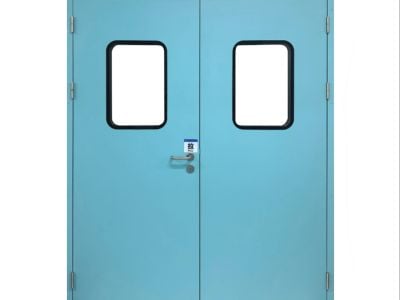
Stainless steel cleanroom doors are essential components for maintaining sterile environments, particularly in industries that deal with corrosive processing. Buyers often face concerns regarding material durability, installation requirements, and overall suitability for specific applications. This article will provide a comprehensive guide to stainless steel cleanroom doors for corrosive processing environments, helping you make informed purchasing decisions. Huaao Clean Technology Group is a national high-tech enterprise specializing in cleanroom maintenance system materials. The company provides cleanroom sandwich panels, cleanroom doors and windows, cleanroom aluminum profiles, cleanroom PVC flooring, and cleanroom equipment. Its products are used in hospitals, pharmaceutical factories, electronic factories, laboratories, new energy facilities, food and beverage facilities, cosmetics manufacturing, and other cleanroom applications
For B2B buyers evaluating stainless steel clean room doors from HUAAO, factors such as stainless steel grade, material thickness, corrosion resistance, door dimensions, surface finish, sealing performance, hardware, opening configuration, cleanroom compatibility, fire resistance, installation requirements, cleaning needs, customization options, quality control, production capacity, certifications, lead times, and after-sales support can be considered to determine whether the doors meet specific cleanroom and corrosive processing requirements
Key Specifications for Stainless Steel Clean Room Doors in Bulk Orders
When considering stainless steel clean room doors, several key specifications must be evaluated. These include material grade, thickness, dimensions, and sealing options
Material Grade: Stainless steel typically comes in various grades, such as 304 and 316. For corrosive processing environments, 316 stainless steel is often recommended due to its enhanced resistance to pitting and corrosion
Thickness: The thickness of the door affects its strength and insulation properties. Common thicknesses range from 1.5mm to 3mm, with thicker doors providing better durability and thermal performance
Dimensions: Custom dimensions may be necessary to fit specific cleanroom layouts. It’s vital to provide precise measurements to ensure optimal fit and functionality
Sealing Options: Cleanroom doors should have effective sealing mechanisms to prevent contamination. Look for options like magnetic seals and gaskets that can withstand the environmental conditions of your facility
Understanding these specifications will help you avoid common issues such as improper fit or inadequate protection against contamination during the procurement process
How to Compare Stainless Steel Clean Room Doors for Your Projects
When comparing stainless steel clean room doors, consider the following factors to ensure you select the right product for your project:
Performance Requirements: Assess the specific performance criteria needed for your cleanroom, including air pressure differentials, thermal insulation, and chemical resistance
Customization Options: Different manufacturers offer varying levels of customization. Determine if you need specialized features such as viewports, pass-throughs, or custom finishes
Quality Certifications: Check for quality certifications such as ISO 9001, which indicate adherence to international quality management standards. This can assure the reliability and consistency of the products
Supplier Reputation: Evaluate the supplier’s experience and expertise in the cleanroom industry. A supplier like Huaao Clean Technology Group, with extensive experience and a strong export history, can often provide better support and product knowledge
Pricing and MOQ: Understand the pricing structure and minimum order quantities (MOQs). Bulk orders may offer significant cost savings, but ensure that the supplier can meet your specific requirements without compromising quality
By carefully comparing these aspects, you can avoid pitfalls that may arise from purchasing substandard products or finding your needs unmet
Installation Guidance for Stainless Steel Cleanroom Doors in Cleanrooms
Proper installation of stainless steel clean room doors is crucial to maintaining the integrity of the cleanroom environment. Here are essential steps to follow for a successful installation:
Preparation: Ensure the installation site is clean and free of debris. Measure door openings accurately and confirm that the frame is level and square
Hanging the Door: Use appropriate mounting hardware and ensure that the door is aligned properly within the frame. Heavy-duty hinges are recommended for larger doors to support their weight
Sealing: Apply seals and gaskets as recommended by the manufacturer. This step is critical to prevent airflow leaks and maintain the cleanroom's controlled environment
Testing: After installation, conduct tests to ensure the door operates smoothly and seals effectively. Check for any gaps or misalignment that could compromise the cleanroom's cleanliness
Utilizing professional installers or following detailed manufacturer guidelines can also enhance the installation process, ensuring lasting performance
Application Scenarios for Stainless Steel Clean Room Doors in Industry
Stainless steel clean room doors are versatile and can be used in various industries, including:
Pharmaceuticals: In this industry, maintaining a sterile environment is crucial, making stainless steel doors ideal for preventing contamination during drug manufacturing
Electronics: The electronics manufacturing industry requires controlled environments to avoid dust and particulate contamination. Stainless steel doors help maintain the necessary conditions
Food Processing: In food production facilities, these doors can withstand cleaning chemicals and harsh environments while ensuring hygiene standards are met
Research Labs: Laboratories that conduct sensitive research benefit from the durability and sanitary properties of stainless steel doors, ensuring that external contaminants do not affect experiments
Understanding these application scenarios can assist buyers in selecting the right doors that meet industry-specific requirements, enhancing operational efficiency
Material Advantages of Stainless Steel in Corrosive Processing Environments
Stainless steel offers several advantages that make it the preferred material for clean room doors in corrosive processing environments:
Corrosion Resistance: Stainless steel, especially grade 316, has excellent resistance to corrosive agents, including acids and chlorides, making it ideal for harsh environments
Durability: Stainless steel is known for its strength and longevity. Doors made from this material are less likely to suffer from dents, scratches, or wear, which contributes to a longer service life
Easy Maintenance: The smooth surface of stainless steel allows for easy cleaning and maintenance, essential for maintaining hygiene standards in cleanrooms
Aesthetic Appeal: In addition to functionality, stainless steel offers a modern, professional appearance that can enhance the overall design of cleanroom facilities
By leveraging the advantages of stainless steel, buyers can ensure that their cleanroom doors will perform effectively in corrosive environments, reducing the need for frequent replacements and maintenance
In summary, choosing the right stainless steel clean room doors for corrosive processing environments involves understanding key specifications, comparing options effectively, ensuring proper installation, recognizing application scenarios, and appreciating the material’s advantages. By following this guide, you’ll be better equipped to make informed purchasing decisions that meet your operational needs.
Table of Contents
- Key Specifications for Stainless Steel Clean Room Doors in Bulk Orders
- How to Compare Stainless Steel Clean Room Doors for Your Projects
- Installation Guidance for Stainless Steel Cleanroom Doors in Cleanrooms
- Application Scenarios for Stainless Steel Clean Room Doors in Industry
- Material Advantages of Stainless Steel in Corrosive Processing Environments
