 EN
 AR
 NL
 FI
 FR
 DE
 EL
 HI
 IT
 JA
 KO
 PT
 ES
 RU
 TL
 ID
 UK
 VI
 TH
 HU
 TR
 MS
 LA
 BN
 MN
 MY
 UZ
 KK


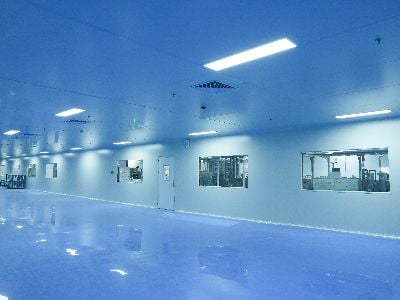
Choosing the right core material for clean room wall panel systems is critical for ensuring the performance and integrity of controlled environments. In the debate of Rock Wool vs. EPS vs. PIR cores, buyers often grapple with factors such as thermal performance, fire resistance, and overall cost-effectiveness. This article will help purchasing managers, engineers, and product managers understand the key differences and applications of these materials in clean room settings, enabling informed decision-making for their cleanroom projects.
How to Choose Between Rock Wool, EPS, and PIR Cores for Clean Rooms?
Selecting the appropriate core material for clean room wall panels involves considering various factors, including thermal insulation properties, fire resistance, sound insulation, and moisture resistance.
Thermal Performance: Each material has different thermal conductivity values. PIR (Polyisocyanurate) typically offers the best insulation, making it suitable for environments that require tight temperature control. Rock Wool provides decent thermal insulation but excels in sound absorption. EPS (Expanded Polystyrene) is lightweight and offers moderate insulation.
Fire Resistance: Rock Wool is non-combustible and offers the highest fire resistance, making it ideal for applications needing stringent fire safety measures. PIR also has good fire resistance, while EPS can be more flammable unless treated with flame retardants.
Moisture Resistance: In clean room applications, moisture control is essential. PIR and Rock Wool typically have better moisture resistance compared to untreated EPS, which can absorb water and potentially compromise structural integrity.
Cost Considerations: While EPS is generally the most economical option upfront, the long-term cost of ownership should also be considered. Higher-quality clean room materials like Rock Wool and PIR may result in lower energy costs due to better insulation and fire safety.
Rock Wool vs. EPS vs. PIR
When comparing Rock Wool, EPS, and PIR, it is essential to evaluate specific characteristics that will impact the clean room's performance:
Rock Wool: Known for its excellent fire resistance and thermal performance, Rock Wool is made from natural stone fibers. It provides high sound insulation, which is beneficial in environments where noise control is necessary. Additionally, it’s resistant to mold and moisture, which is vital in cleanroom applications.
EPS: This material is lightweight and offers good thermal insulation but is less robust in terms of fire resistance and moisture management. EPS panels can be a cost-effective solution for applications where fire safety is not the primary concern, but buyers should ensure that the specific EPS used meets required fire safety standards.
PIR: Combining the benefits of both Rock Wool and EPS, PIR panels are known for their high thermal efficiency and fire performance. The closed-cell structure of PIR provides excellent moisture resistance as well. However, it tends to be more expensive than both Rock Wool and EPS.
In summary, the choice between these materials will depend on the specific requirements of the cleanroom environment, including regulatory compliance, safety standards, and performance objectives.
Cost Factors to Consider When Choosing Clean Room Panel Materials
The cost of clean room wall panels is influenced by several factors, and understanding these can help buyers make informed decisions:
Material Costs: The initial purchase price of Rock Wool, EPS, and PIR varies significantly. Generally, EPS is the least expensive, while PIR tends to be the most costly due to its superior thermal properties. Rock Wool falls in between but offers excellent clean room system value for its fire safety features.
Installation Costs: The ease of installation can impact total project costs. EPS panels, being lightweight, can lead to lower labor costs. PIR panels might require specific handling procedures due to their composition, potentially increasing installation costs.
Long-Term Operational Costs: While EPS may save money upfront, its lower thermal efficiency can lead to higher energy costs over time. Conversely, investing in Rock Wool or PIR may incur a higher initial cost but can result in significant energy savings and lower HVAC costs.
Maintenance and Replacement: Consider the longevity and maintenance requirements of each material. Rock Wool and PIR typically have longer lifespans and require less maintenance than EPS, which may need more frequent replacement in certain environments.
While initial costs are crucial, assessing the total cost of ownership over the life cycle of the clean room materials is essential for making the best purchasing decision.
Applications of Rock Wool, EPS, and PIR Wall Panels in Clean Rooms
Understanding the specific applications of each material can guide buyers in selecting the best option based on their cleanroom requirements:
Rock Wool: Ideal for cleanrooms in the pharmaceutical and electronics industries, Rock Wool panels are often used in areas where fire safety and sound insulation are paramount. Their ability to withstand high temperatures makes them suitable for environments with stringent fire codes.
EPS: Often used in less critical cleanroom applications, EPS is favored for its cost-effectiveness in projects where fire resistance is not as critical. It can be a good choice for administrative areas connected to clean environments or in situations where the cleanroom does not require rigorous standards.
PIR: With its superior thermal insulation and fire-resistant properties, PIR is commonly used in high-tech cleanrooms, including those in biotechnology and healthcare, where maintaining specific environmental conditions is critical. Its moisture resistance also makes it suitable for humid environments.
In summary, each material has distinct advantages and is suited for different clean room applications. Buyers should consider their specific needs, including fire safety, thermal performance, and moisture management, when selecting the appropriate clean room wall systems material for their cleanroom projects.
