 EN
EN
 AR
AR
 NL
NL
 FI
FI
 FR
FR
 DE
DE
 EL
EL
 HI
HI
 IT
IT
 JA
JA
 KO
KO
 PT
PT
 ES
ES
 RU
RU
 TL
TL
 ID
ID
 UK
UK
 VI
VI
 TH
TH
 HU
HU
 TR
TR
 MS
MS
 LA
LA
 BN
BN
 MN
MN
 MY
MY
 UZ
UZ
 KK
KK


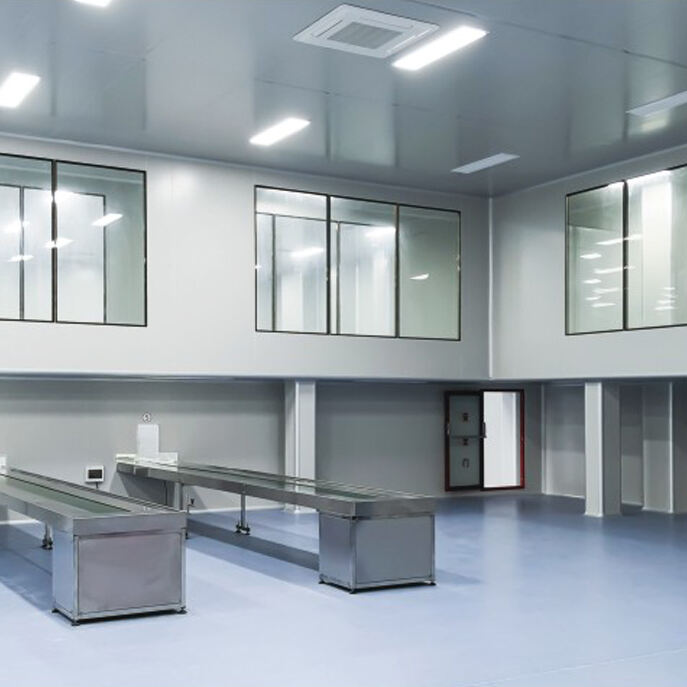
Contamination is a constant risk to patients and cleanrooms such as operating theatres, ICU units and pharmacies, and while it can never be tolerated, the cost of clean room doors remains a significant constraint. The critical question then is, how to differentiate between the "nice-to-haves" from the "must-have" performance characteristics crucial to patient safety. The appropriate method of door selection can then yield effective contamination control at an appropriate expenditure.
The True Cost of Clean Room Doors in Healthcare Settings
The cost of a clean room door isn't all that there is. This includes the life cycle cost of the door: installation labor, validation testing, on going cleaning consumables, replacement parts, and ultimate disposal. A cheap door that warps in two years is actually much more expensive than one that has the correct specs and last 15 years. The life cycle of the door must be taken into account by public hospitals; the initial purchase price is only part of the equation.
The total cost must also factor in energy consumption. A poorly sealed door allows conditioned air to escape at all times, meaning the FFU units and the HVAC plant have to run much harder. After ten years, the energy cost alone of operating 24 hours a day, 7 days a week may have been several times the initial door cost. Proper sealing of a door at the time of installation has a relatively long pay back, and will significantly lower utility bills.
Essential Performance Features That Cannot Be Compromised
The "must-have" clean room door specs include: air leakage of below 0.5CFM per square foot at a 75Pa differential, a limit most manufacturers adhere to. Any failure to pass the test allows unfiltered corridor air to come in to sterile areas and threatens patient health. Ensure that the manufacturer has independent third-party reports on their product to support this spec.
Surface cleanliness is another "must-have". All door surfaces (face, edge) should be non-porous, smooth, and bacteria free. Recesses on handles, or in door edges or push plates create areas where organisms may propagate; these should be avoided. This can be achieved with all PVC surfaced doors or appropriate finished stainless steel panels which have varied cost attributes.
The ability to withstand typical hospital usage should also be considered a "must-have". In public hospitals, a door may be opened or closed hundreds of times a day and encounter being hit by carts, beds and other equipment. If door cores will warp or delaminate, or hinges sag, the door can quickly become a contamination hazard and has to be replaced at additional expense.
Where Cost Savings Can Be Achieved Responsibly
High-end features may not be appropriate in every application. A vision panel will obviously cost more and may not be required in equipment pass throughs or medication storage rooms. Automatic doors may also improve flow in a high traffic corridor that links the two sides of an operating room suite but will be unnecessary for low traffic supply rooms; the cost saving for the door can be applied to other areas. Similarly, certain finishes cost more. A No. 4 brushed stainless steel has the same cleaning efficiency as a No. 8 mirror finished one, and saves considerably more cost.
Standardization of door size saves cost in material and manufacture. Using non standard custom extrusions and gaskets adds a higher price component. If the door openings can be made standard 900mm or 1000mm width, savings can be achieved on the price. Of course, forcing a standard size door in an opening will present problems with filling gaps and sealing the door correctly which will add to the cost of sealing energy.
Balancing Initial Budget Against Long Term Value
The budget review process for many public hospitals often focuses on the most immediate number, lowest initial cost, but that can not be true of clean room doors. It must be realized that initial cost and life cycle cost for clean room doors is vastly different. One way to approach this decision making is to set forth minimum performance criteria and then provide value that will perform at the lowest cost. Performance specifications on air leakage, surface finish, and cycle testing are the important specifications.
A more detailed life cycle cost analysis would be a useful tool. Clearly the door that is twice as expensive upfront, lasts four times as long and takes half as much energy is the winner in the long run. Procurement for public hospitals need to look at a suppliers life cycle costs-including replacement part costs, service time and life span of the product. This is one sure way to make a sensible choice that ultimately benefits both patient health and hospital budget.
Making the Final Selection for Public Hospital Applications
Powder coated steel doors with continuous perimeter gaskets are probably the most cost-effective product for most public hospital clean rooms. Steel has reasonably good impact resistance, and is appropriately finished with powder coating, although the quality and effectiveness depends upon application technique. A double glazed vision panel with flush mount framing is a good addition to increase work flow without excessive additional cost.PVC-faced honeycomb cored doors work well in low traffic environments and for those facilities that must remain on a very tight budget.
Stainless steel doors are more resilient but are not ideal due to rigorous cleaning protocol and exposure to high volumes of aggressive disinfectants in sterile processing departments or burn units. Automatic doors have a role but, like with vision panels, the cost of the door operator should only be paid at the highest traffic corridors linking the "clean side" to less clean areas. Aligning doors with usage and required cleanliness will ensure contamination control at a minimum cost.
