 EN
EN
 AR
AR
 NL
NL
 FI
FI
 FR
FR
 DE
DE
 EL
EL
 HI
HI
 IT
IT
 JA
JA
 KO
KO
 PT
PT
 ES
ES
 RU
RU
 TL
TL
 ID
ID
 UK
UK
 VI
VI
 TH
TH
 HU
HU
 TR
TR
 MS
MS
 LA
LA
 BN
BN
 MN
MN
 MY
MY
 UZ
UZ
 KK
KK


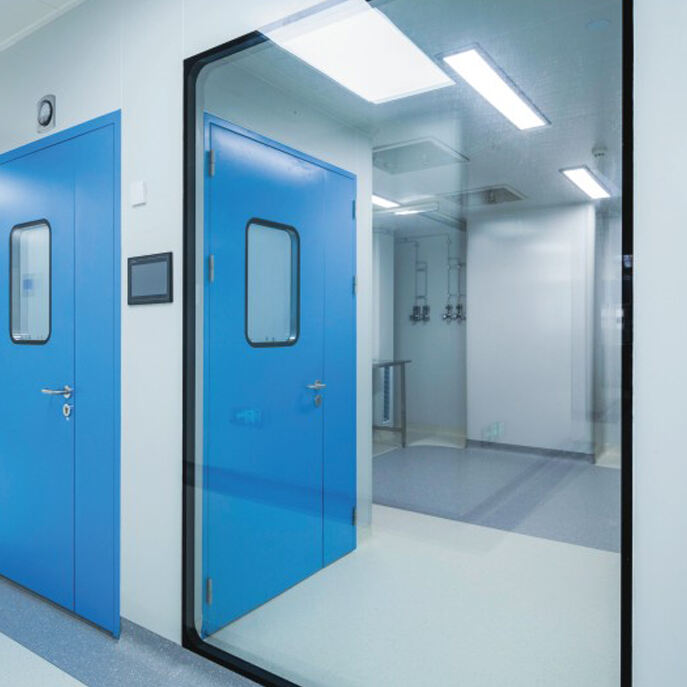
Many hospitals in Central Asia are undergoing renovations in order to comply with today's infection control standards. Operating Rooms, Intensive Care Units, isolation rooms, and sterile processing areas all demand contained environments with minimal airborne contaminants. In the renovation process the windows in the cleanroom play an integral part; they offer the ability to visualize areas from the outside while maintaining a correct pressure differential and prevent particle intrusion. To implement the right clean room window for a hospital project in Central Asia it's vital to understand the area's unique challenges, environment, and hospital regulations. In the process of renovation, specialized cleanroom windows are needed.
Why Hospital Renovations Require Specialized Clean Room Windows
Standard hospital windows would not function properly in sterile rooms. They can often allow airflow, trap dirt and debris in their frames, and don't have smooth surfaces that allow for frequent disinfection. In hospitals meeting cleanroom grade building requirements, all parts of a building envelope are supposed to assist in contamination control. Windows need to be securely affixed within the wall paneling, able to withstand harsh cleaning solutions, and avoid condensation dripping onto sterile fields or medical devices.
There are specific challenges in renovating a Central Asian hospital that needs the addition of a clean room. Many facilities are older and were built with very thick masonry walls and inconsistent window sizes. With modular cleanroom wall paneling this requires custom window sizes for installation and to fit within the pre-existing walls. There's also a vast temperature variation yearly with warm summers and frigid winters. The cleanroom windows need to be able to expand and contract with the ambient temperatures, while still maintaining their airtightness to the surrounding wall. Well-fitting windows can reduce HVAC load and control positive or negative air pressures necessary for the cleanroom.
Key Features of Clean Room Windows for Healthcare Applications
Hospital renovation windows should be clean room windows, not just an transparent pane. They must also serve a variety of other purposes. All glass panes should be made with tempered glass in order to prevent injury if they are broken and to limit contamination to the cleanroom itself. Tempered glass is strengthened in an oven which creates stress on the material that makes it more likely to shatter into blunt pieces of glass instead of sharp shards.
The smoothness of the window is equally important. For window framing, anodized aluminum frames with no corners to trap bacteria and no smooth rounded edges are optimal. Gaskets used need to be seamless and from a material which will tolerate frequent wiping with disinfectants such as chlorine-based solutions or hydrogen peroxide vapor. The joint between the window pane and its frame should be seamless and flush, allowing cleaners to wipe both parts with ease without catching their clothes on any rough edges or corners.
The role of pressure differential is critical for an operating room or isolation room. Windows for hospitals are designed with a double-pane glass, separated by a sealed air gap. This offers some thermal insulation to decrease condensation but it is also structurally rigid. Rooms needing positive or negative pressure (for immunoexpressed patients or contagious individuals, respectively) cannot have leaking windows after pressure has been reached. A well-sealed double-pane unit will maintain its needed pressure for its whole life.
Custom Sizing for Older Hospital Infrastructure
One of the primary obstacles when attempting to modernize an old hospital building with cleanroom parts in the Central Asian region is properly fitting those new parts into the current building envelope. Many older buildings consist of very thick load-bearing walls with many different window sizes and styles in each room. With modular cleanroom windows that can be custom-fabricated, the walls do not have to be compromised; construction time can be minimized, disruption to other areas can be lessened, and the aesthetics of the old building can be retained if desired.
Custom size also means that the windows can be strategically located and utilized in unique ways. A large double-glazed window in the Intensive Care unit allows all patients to be viewed simultaneously from a central area without having to enter each room. In an operating theater small pass-through windows between rooms can allow instruments or specimens to be transported between areas without compromising the integrity of the room's atmosphere when a door needs to be open. With a custom size window, a space can be optimized both in function as well as size constraints.
Durability Under Harsh Cleaning Protocols
The daily cleaning routine within a clean room in a hospital is considerably more rigorous than that of an industrial clean room. Harsh disinfectants are often sprayed or fogged throughout the room and can be applied as many as several times a day. A clean room window will need to withstand repeated attacks from potent disinfectants, as well as from the UV light of germicidal lamps and general physical wear and tear from being wiped frequently. An anodized or powder-coat finish on aluminum window framing will prevent corrosion and the glass should be sealed to protect it from the interior of the glazing unit.
Investment in clean room windows in hospital renovations in Central Asia will prove to be a wise one, both in terms of patient safety and operational efficiency. Combined with tempered safety glass, corrosion resistant aluminum frames, and custom sizing to fit the walls of existing buildings, hospital renovation windows will last for many years. They will provide a means for staff to monitor patient status and activity without compromising sterile zones and will reduce traffic within areas that need strict controls. As Central Asian healthcare continues to advance, specialized parts such as clean room windows will only become more crucial to optimal healthcare delivery.
