 EN
EN
 AR
AR
 NL
NL
 FI
FI
 FR
FR
 DE
DE
 EL
EL
 HI
HI
 IT
IT
 JA
JA
 KO
KO
 PT
PT
 ES
ES
 RU
RU
 TL
TL
 ID
ID
 UK
UK
 VI
VI
 TH
TH
 HU
HU
 TR
TR
 MS
MS
 LA
LA
 BN
BN
 MN
MN
 MY
MY
 UZ
UZ
 KK
KK


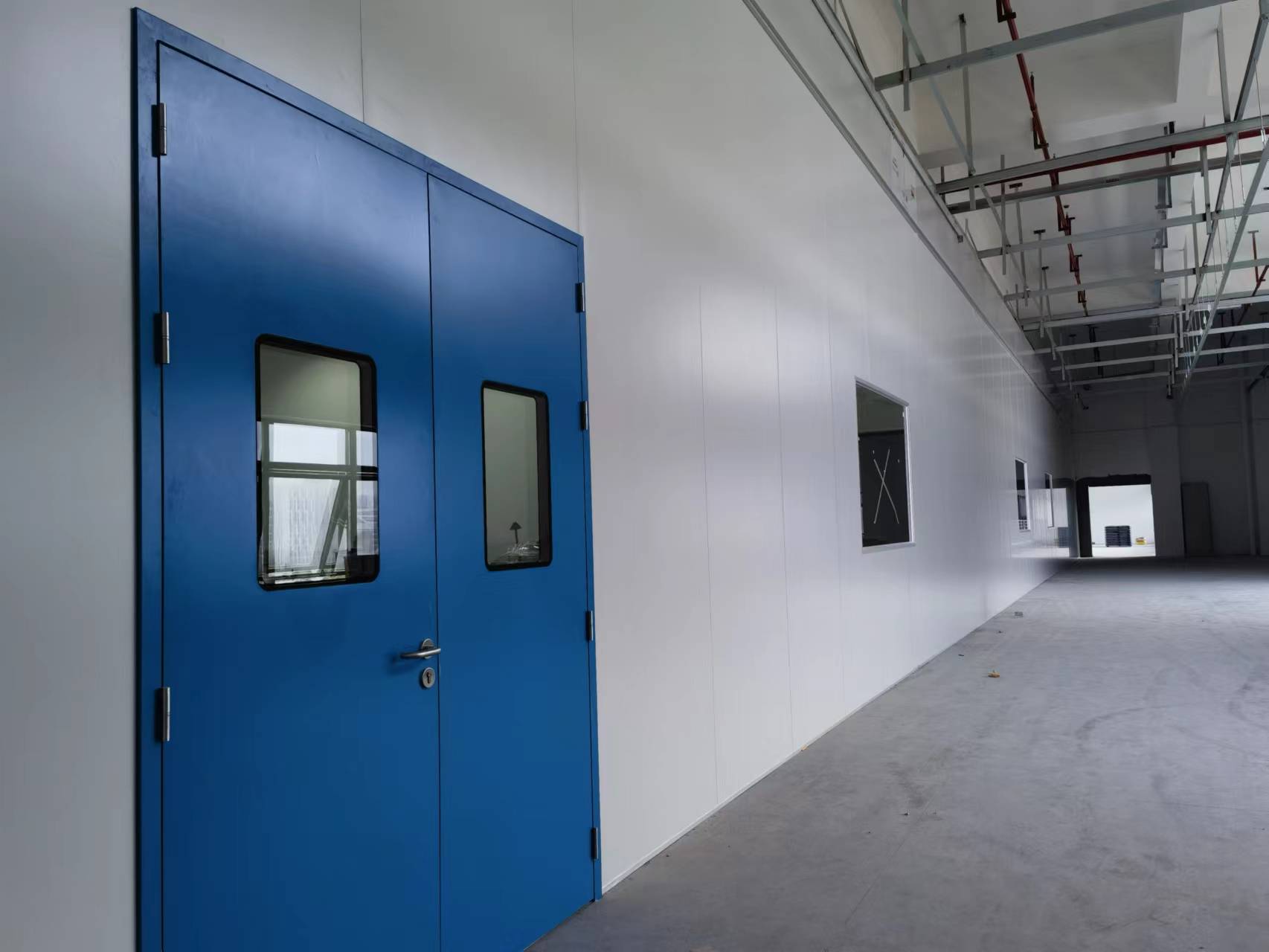
The choice of clean room window glass for FFU systems is sometimes an afterthought but has a great deal of impact on contamination control, safety, and operational use. It is the goal of a HEPA or ULPA filter to produce a very low particulate count and introducing particulates by using improper glass or having leaky seams in glass panels would render the entire cleanroom ineffective. Viewing window glass for FFU based cleanrooms needs to be more than optically clear; it should not produce or attract particles and must withstand any pressure forces the FFU system is designed to provide while being cleanable with chemical cleaning agents. Facility specification for FFU based cleanrooms is affected by numerous parameters and specifying a clean room window glass is an important step in FFU system specification.
Why Glass Selection Matters for FFU System Performance
The clean room envelope needs to achieve particle specifications as low as .12micrometers, the efficiency of a HEPA or ULPA filter. Normal window glass has a propensity for contributing particles into the environment. A regular float glass may contain imperfections to which particulates become trapped, or if not properly grounded or if particles have an electrical charge, they will be attracted to the glass and will be difficult to remove by the FFU. Regular window glass that is not tempered can fracture into razor sharp shards that can cause harm and damage to products.
Because a clean room envelope is pressurized and air will be continuously circulated around by the ceiling mounted FFUs there is a possibility of it becoming a hazard. Any sources of particulate matter within or nearby a clean room envelope will be circulated by FFU filtered air and be redeposited in the work areas. Glass in these situations need to be non-porous, easily cleanable, and resistant to the chemicals used during disinfection routines. Using the proper glass type will allow the FFUs to reach their rated class for extended periods of time by not allowing as much particulate matter to become trapped and remain on the viewing surfaces.
Common Glass Types for Clean Room Windows
The most often specified cleanroom window glass types are listed below; although there are numerous types of glass that could potentially be used for a cleanroom window, each with properties conducive to specific types of HEPA and ULPA filter based cleanrooms.
Tempered glass is the most commonly specified type for clean room windows. Tempered glass undergoes a process of controlled thermal or chemical treatments to increase its strength. This process renders the glass four to five times stronger than ordinary window glass and causes it to break into much smaller, less dangerous fragments, than would occur with ordinary window glass. This type of glass is extremely useful for electronics assembly and pharmaceuticals where it is critical to protect product from damage caused by broken glass. It has excellent resistance to most cleaning chemicals including hydrogen peroxides and quaternary ammonium compounds.
Laminated glass is a construction of two or more sheets of glass bonded with an interlayer. PVB, is the most common type interlayer. In applications requiring high pressure differential between areas where the FFU system operates, the bonded construction of laminated glass lends superior structural integrity and prevents catastrophic failure if a pane is fractured preventing an instant loss of pressure and containement. Drug filling lines or biological safety labs are critical where laminated glass is specified to create sterile conditions.
In applications requiring precise color depiction or accuracy, low iron glass needs to be specified. All standard window glasses contain some level of iron oxide which causes them to possess a greenish hue which distort any colors or light that pass through them. Low iron glass can minimize this coloration allowing for excellent visual clarity. This type of glass is commonly used in research FFU cleanrooms or electronics inspection applications.
Specialized Coatings and Treatments for Critical Environments
Certain specialized treatments may be used in addition to specifying tempered or laminated glass for particular FFU system cleanroom applications. Electronics cleanrooms require a static dissipating or anti-static coating to prevent damage from Electro-Static Discharge. An anti-static coating reduces both the amount of surface charge and its attraction of stray particles into critical zones and for this reason is commonly specified in electronics cleanrooms. Cleanroom windows can also benefit from an anti-reflective coating; high levels of cleanroom lighting and the ceiling mounted FFUs can cause visual glare and reflections on the surface of the glass making it impossible to visually inspect products. Glass may also be specified which can withstand higher concentrations of vaporized hydrogen peroxide or other high intensity sterile agents which reduces clouding or damage.
Balancing Visibility, Safety, and Cleanability
The ideal cleanroom window glass specification for an FFU system is three fold; to allow maximum visibility through to the application without the need for distortion, glare or other obstructions, the ability to remain intact in the event of breakage, and to be cleanable. Surfaces of the glass must not accumulate particulates, should be easily wiped down and cleanable with the agents prescribed by the clean room processes and standards being utilized.
While it may be less common with FFUs which control the environments without needing an extremely sealed building, condensation may be an issue if a particular application needs protection. Double glazed, sealed cleanroom window units immediately underneath processes will insulate the work area preventing condensation without an FFU based environment or an extreme temperature differential between rooms. When specifying custom cleanroom windows for an FFU based cleanroom, it is critical that your specifications are based on your actual application's cleanliness class, the chemical exposure anticipated and pressure differentials that will be maintained by the FFU system and that all glass specifications meet or exceed relevant international standards for quality.
