 EN
EN
 AR
AR
 NL
NL
 FI
FI
 FR
FR
 DE
DE
 EL
EL
 HI
HI
 IT
IT
 JA
JA
 KO
KO
 PT
PT
 ES
ES
 RU
RU
 TL
TL
 ID
ID
 UK
UK
 VI
VI
 TH
TH
 HU
HU
 TR
TR
 MS
MS
 LA
LA
 BN
BN
 MN
MN
 MY
MY
 UZ
UZ
 KK
KK


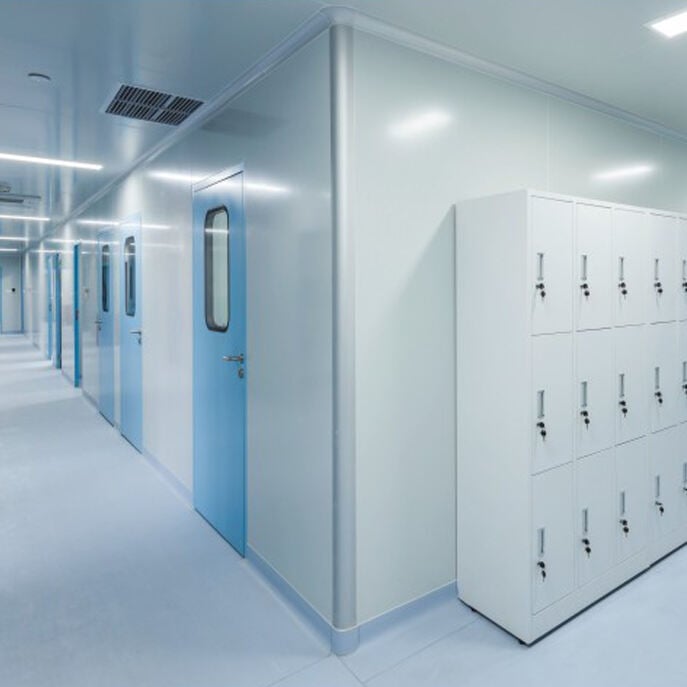
The pharmaceutical industry, modernization of hospitals, and food processing industries are growing rapidly in Central Asia. With the growth of these sectors, there has been a significant growth in the demand for the use of clean rooms with the proper equipment. For those purchasing clean rooms in this region, door specification, logistics and operating conditions are big challenges. The knowledge of these elements is needed by both the buyer and the supplier to guarantee a successful procurement and long term performance of the cleanroom door system.
Regional Market Drivers for Clean Room Doors
There are multiple industries that are contributing to the growth of clean room building in Central Asia. Kazakhstan and Uzbekistan's pharmaceutical sector is dynamically developing, and new plants must comply with the requirements of good manufacturing practice (GMP) standards. Hospitals' renovation projects are upgrading operating theatres and intensive care rooms to modern infection control. Food and beverage producers are adopting systems based on hazard analysis critical control points and they are making their production areas segregated and controllable.
Various configurations of doors are required for each application. In pharmaceutical cleanrooms surfaces must be smooth, non porous and resistant to aggressive disinfectants. In hospital operating rooms, a positive pressure is required, with doors that must be able to be opened quickly in case of an emergency. In food processing areas, doors must be able to handle a high humidity and repeated washdowns. Purchasers need to be able to clearly state their industry and cleanliness needs before they make their door product selection.
Technical Specifications for Central Asian Conditions
Central Asia with its continental climate poses particular problems to cleanroom doors. Cold temperatures ranging from -30°C in winter to +40°C in summer can lead to expansion and contraction of materials. This movement should be allowed at the doorframe and door leaves without loss of gasket compression. Steel or aluminum doors perform better across wide temperature ranges than PVC-faced panels, which can become brittle in extreme cold. Humidity control is a factor to take into account, as well. There are numerous facilities in Central Asia that do not have the advanced HVAC systems that are required in either European or North American cleanrooms. Condensation can occur on the doors at the change of the season. Fully sealed edges, made of stainless steel or powder coated steel, are more resistant to moisture-related corrosions than are particle board core doors or bare aluminum doors. The double glazed vision panels have sealed airspaces to ensure the absence of any interior condensation that may fall on wiped clean surfaces.
Understanding Local Certification Requirements
Central Asian buyers should check for which certifications their project is eligible for. If the facility exports to the European Union or follows WHO GMP guidelines, pharmaceutical doors may need to comply with those standards. Different types of materials need to be approved by the local health ministry for use in sterile zones of the hospital. There are some differences in fire safety regulations between countries, and in some cases, the core of the door must have a particular flame spread rating.
The best way is to ask for test reports from internationally reputed laboratories. Third-party testing for ISO 14644 – cleanroom compatibility, ASTM E84 – flame spread, and ASTM E283 – air leakage are objective tests that demonstrate performance. Also, if the product is to be stainless steel, buyers should inquire where welding procedures will be certified since the quality of welds is important to cleanliness and corrosion protection.
Logistics and Shipping Considerations
Central Asian markets are quite different to coastal markets when it comes to logistics. Landlocked countries rely on rail and truck transportation across borders. Turnaround time for shipping is delayed and uncertain compared to shipping to port cities. The time of transit is approximately 4-6 weeks and may require customs clearance. For the protection of goods during transshipment from rail to road, protective packaging is needed.
Careful documentation is important with door shipment orders. All commercial invoices must include a detailed description of materials and finishes for customs classification. The certificate of origin can be a requirement for duty concessions under regional trade agreements. If packaging is used, wood must be heat treated, if applicable, to meet international phytosanitary standards. Avoiding wood related documentation and inspection delays, many suppliers are now using plastic or metal crates.
Installation Support and Local Conditions
Limited networks of cleanroom installation contractors have been developed in few countries of Central Asia. It is important for buyers to determine if the door supplier offers drawings for installation, on site support, or remote support. Prefabricated door assemblies come ready to install, with all framing and sealing new doors done, so skilled local labor is not required. When installing modular door systems that are designed for bolt together assembly, they are easier to install than traditional framed doors that have to be welded on site.
Local utilities should be taken into account. Automated door operators can be impacted by power fluctuations. Operators with wide voltage tolerance or integrated voltage regulation can protect sensitive electronics. Sealed operators with a high ingress protection rating (IP54 or above) are recommended for dusty external environments. The remote diagnostic capabilities enable supplier to troubleshoot without a costly site visit.
After Sales Support and Spare Parts
Given the long distance between the manufacturing source and the end user, after sale service is very important. It is advisable to buyers that they verify that spare parts are available for a minimum period of 5 years after the acquisition. The most frequently changed parts are gaskets, sensors and control boards. A spare parts kit recommended with the first order means no lengthy downtime awaiting parts. Suppliers with local representatives or service partners in the region offer a major advantage, especially when such services are not otherwise available.
With their knowledge of the factors, buyers in Central Asia can choose cleanroom doors that function well in their area. By carefully specifying cleanroom doors, planning logistics, and securing installation support, buyers can ensure effective contamination control and long operational life.
