

An FFU (Fan Filter Unit) is a modular air filtration device that integrates a fan and filter system into one unit. It is widely used in cleanrooms, laboratories, semiconductor manufacturing facilities, pharmaceutical production areas, and other environments requiring strict air cleanliness control.
Unlike traditional centralized air handling systems, FFU systems provide flexible installation, independent airflow control, and efficient clean air distribution.
A typical FFU consists of:
High-efficiency fan motor
HEPA or ULPA filter
Air inlet grille
Control system
Housing structure
The fan draws contaminated air into the unit, pushes it through the filter, and delivers clean air into the controlled environment.
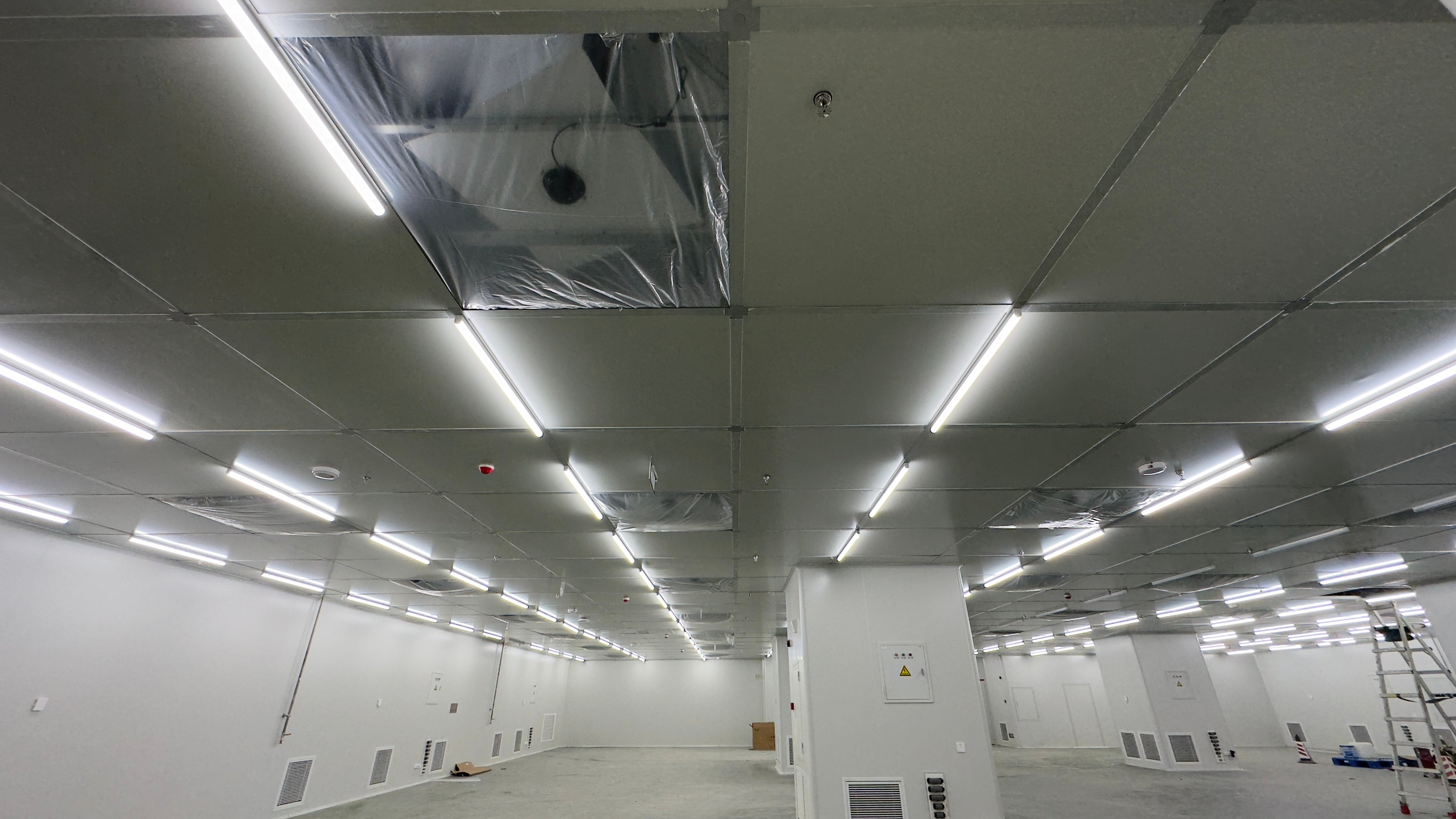
Cleanroom environments require precise control of airborne particles. Even small amounts of contamination can affect product quality in industries such as semiconductor manufacturing, biotechnology, and pharmaceutical production.
FFU systems help maintain:
Stable airflow conditions
Low particle concentration
Uniform air distribution
Controlled cleanroom pressure
Continuous filtration performance
For industries with strict cleanliness requirements, selecting the correct FFU model is essential for production safety and efficiency.
HEPA FFU systems are the most commonly used cleanroom filtration solutions.
HEPA filters typically provide high-efficiency removal of airborne particles and are suitable for:
Pharmaceutical cleanrooms
Medical manufacturing
Food processing areas
General industrial cleanrooms
ULPA FFU units provide higher filtration performance than standard HEPA systems and are commonly used in ultra-clean environments.
Typical applications include:
Semiconductor fabrication
Precision electronics manufacturing
Advanced research laboratories
The motor type directly affects energy consumption and operating cost.
Advantages:
Lower initial investment
Mature technology
Suitable for standard cleanroom applications
Advantages:
Higher energy efficiency
Variable speed control
Lower long-term operating costs
Better airflow adjustment
For large cleanroom projects, EC motor FFU systems are often preferred because they reduce energy consumption during long-term operation.
Airflow is one of the most important FFU selection parameters.
A suitable FFU should provide enough air volume to maintain required cleanliness levels without excessive energy consumption.
When selecting airflow, consider:
Cleanroom classification
Room size
Required air change rate
Production process requirements
Different industries require different filtration levels.
Common options include:
HEPA H13/H14 filters
ULPA U15/U16/U17 filters
The filter grade should match the cleanliness standard and application requirements.
FFU systems operate continuously, so noise performance is an important consideration.
A high-quality FFU should provide:
Stable fan operation
Low vibration
Reduced operating noise
This is especially important for laboratories and precision manufacturing environments.
Energy consumption is a major operating cost for cleanrooms.
Modern FFU solutions improve efficiency through:
EC brushless motors
Intelligent speed control
Optimized fan blade design
Low-resistance filters
Choosing energy-efficient FFUs can significantly reduce long-term operating expenses.
FFUs are usually designed according to standard ceiling module sizes.
Common dimensions include:
1175 × 575 mm
1175 × 1175 mm
Customized sizes according to project requirements
Before purchasing, customers should confirm:
Ceiling structure
Installation method
Filter replacement space
Electrical requirements
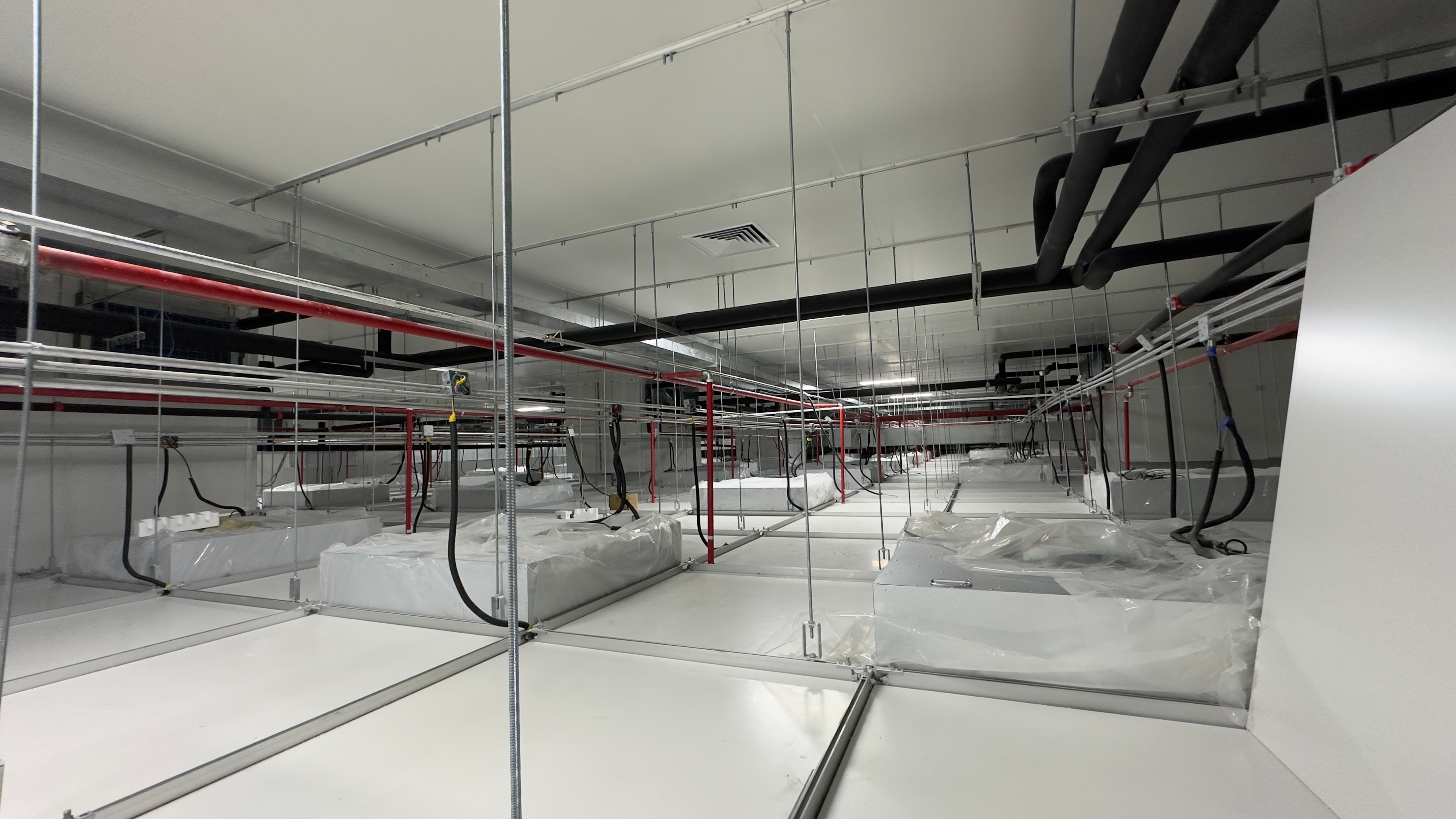
Semiconductor manufacturing requires extremely strict contamination control.
FFU systems help maintain ultra-clean production environments for:
Wafer fabrication
Photolithography areas
Precision assembly
Pharmaceutical production requires controlled environments to protect product quality.
FFUs are commonly used in:
GMP cleanrooms
Sterile production areas
Laboratory facilities
Electronic components are sensitive to dust and static contamination.
FFU clean air systems support:
PCB manufacturing
Display production
Precision assembly
Before choosing an FFU supplier, buyers should evaluate:
Filter efficiency
Airflow volume
Noise level
Motor efficiency
Control system options
Production experience
Quality control process
Testing standards
Customization capability
Technical consultation
Installation guidance
After-sales service
Spare parts availability
A reliable FFU manufacturer should provide complete technical documentation and support throughout the project lifecycle.
Low-cost FFUs may have:
Lower motor efficiency
Poor airflow stability
Shorter service life
The total operating cost should be considered instead of only the purchase price.
Different cleanroom classifications require different filter grades. Selecting an unsuitable filter may affect cleanliness performance.
Because FFUs usually operate continuously, inefficient motors can increase long-term electricity costs.
The FFU industry is moving toward smarter and more energy-efficient solutions.
Future developments include:
Intelligent airflow management
IoT-based monitoring systems
Higher efficiency EC motors
Modular cleanroom integration
Lower energy consumption designs
These improvements help manufacturers achieve cleaner production environments while reducing operational costs.
Selecting the right FFU fan filter unit requires consideration of filtration efficiency, airflow performance, motor technology, energy consumption, and application requirements.
For cleanroom projects in pharmaceutical, semiconductor, electronics, and laboratory industries, working with an experienced FFU manufacturer can help ensure stable air quality, reliable operation, and long-term cost efficiency.
A professional FFU supplier should provide not only high-quality equipment but also technical expertise, customization options, and complete project support.
 EN
EN
 AR
AR
 NL
NL
 FI
FI
 FR
FR
 DE
DE
 EL
EL
 HI
HI
 IT
IT
 JA
JA
 KO
KO
 PT
PT
 ES
ES
 RU
RU
 TL
TL
 ID
ID
 UK
UK
 VI
VI
 TH
TH
 HU
HU
 TR
TR
 MS
MS
 LA
LA
 BN
BN
 MN
MN
 MY
MY
 UZ
UZ
 KK
KK

