 EN
 AR
 NL
 FI
 FR
 DE
 EL
 HI
 IT
 JA
 KO
 PT
 ES
 RU
 TL
 ID
 UK
 VI
 TH
 HU
 TR
 MS
 LA
 BN
 MN
 MY
 UZ
 KK


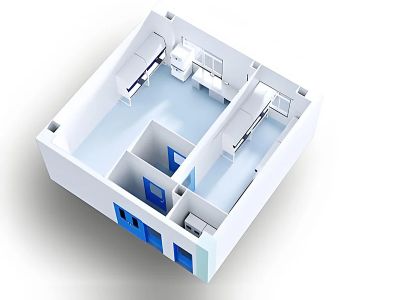
When selecting laminated glass configurations for safety-critical clean room applications, buyers must consider various factors to ensure they meet stringent industry standards. Laminated glass plays a crucial role in creating controlled environments, especially in industries such as pharmaceuticals, electronics, and medical facilities. This article will guide purchasing managers and engineers through the considerations, specifications, quality evaluation, installation guidance and comparisons of laminated glass configurations to support informed purchasing decisions.
What to Consider When Choosing Laminated Glass for Clean Rooms?
Selecting the right laminated glass for clean room applications requires a comprehensive understanding of the specific needs of the environment. Key considerations include:
Environmental Conditions: Clean rooms often have strict temperature and humidity controls. The laminated glass should be able to withstand these conditions without warping or compromising integrity.
Safety Standards: Depending on the application, laminated glass may need to meet specific safety standards such as ASTM or ISO certifications. Confirming compliance with safety regulations is critical for both legal and operational assurance.
Thickness and Composition: The thickness and type of interlayer in clean room glass panel affect both safety and performance. Thicker glass offers better impact resistance, while specialized interlayers can provide additional acoustic or thermal insulation.
Optical Clarity: In environments where visibility is essential, such as monitoring areas, the optical clarity of the glass is important. Buyers should confirm that the laminated glass provides clear visibility without distortion.
Customization Needs: Depending on the application, buyers may require specific dimensions or coatings (anti-fog, anti-static). Discussing customization options with the manufacturer can ensure that the product meets unique specifications.
Key Specifications of Laminated Glass for Safety-Critical Environments
Understanding the critical specifications of laminated glass is essential for clean room applications. Key specifications include:
Thickness: Common thicknesses for laminated glass range from 6 mm to 12 mm, but the final choice should be based on the application’s safety requirements and potential impact risks.
Layer Composition: The composition of interlayers can vary, with options like polyvinyl (PVB) or ethylene-vinyl acetate (EVA). Each has different properties for moisture resistance, UV protection, and impact resistance.
Transparency Levels: cleanroom equipment can be produced with varying levels of tint and reflectivity. Understanding how these options impact visibility and light transmission in the clean room is crucial.
Adhesion Strength: The adhesion strength between layers should be assessed, as it impacts the overall durability of the laminated glass under stress or potential impacts.
Thermal Properties: Laminated glass should have good thermal insulation properties to maintain energy efficiency within clean rooms, minimizing temperature fluctuations that could affect sensitive processes.
How to Evaluate the Quality of Laminated Glass for Clean Room Use?
To ensure the integrity and performance of laminated glass, buyers should establish a quality evaluation process, including:
Sample Testing: Request samples of the laminated glass to conduct tests under actual operating conditions. This will help assess performance against environmental factors such as temperature, humidity, and pressure.
Visual Inspection: Inspect samples for any visual defects like bubbles, scratches, or inconsistencies in transparency. These can indicate potential issues in the manufacturing process.
Certification Verification: Request documentation regarding certifications and compliance with industry standards. This is crucial for ensuring that the laminated glass meets necessary safety and quality benchmarks.
Supplier Reputation: Evaluate suppliers based on their reputation in the market, customer reviews, and previous projects. A reliable supplier should have a track record of delivering high-quality products within specified timelines.
Warranty and Support: Discuss warranty terms and post-purchase support. A good warranty can provide reassurance regarding the longevity and durability of the laminated glass.
Installation Guidance for Laminated Glass in Clean Room Applications
Proper installation of laminated glass is vital to maintain cleanliness and structural integrity in clean rooms. Here are key installation considerations:
Site Preparation: Ensure that the installation area is clean and free from contaminants. This is critical to prevent particles from entering the clean room environment during installation.
Installation Techniques: Employ appropriate techniques for handling and securing laminated glass. Use clean gloves to prevent any oils or debris from contacting the glass surface.
Sealing and Framing: Ensure that the sealing materials used around the laminated glass are compatible with the glass and the clean room environment. Proper sealing prevents air and moisture infiltration, maintaining clean room standards.
Alignment and Fit: During installation, confirm that the pass box clean room is properly aligned and fits securely within the frames. Misalignment can lead to gaps that allow contamination.
Post-Installation Inspection: Conduct a thorough inspection after installation to ensure that no damage occurred during the process and that the glass meets the required specifications.
Comparing Laminated Glass Configurations for Different Clean Room Needs
When comparing laminated glass configurations, buyers should consider the following factors to meet varying clean room needs:
Application-Specific Requirements: Different clean room applications may require tailored glass properties. For example, pharmaceutical clean rooms may prioritize chemical resistance, while electronics facilities may focus on static control.
Performance Metrics: Compare the performance metrics of various laminated glass options, such as impact resistance, thermal insulation, and UV protection. These metrics can guide decisions based on specific operational needs.
Cost vs. Benefit Analysis: Assess the cost of different laminated glass configurations against their benefits. Sometimes, investing in a higher-quality product can minimize long-term costs related to maintenance and replacements.
Supplier Options: Evaluate multiple suppliers and their offerings. It’s beneficial to compare lead times, customization capabilities, and overall service levels to ensure timely delivery and adequate support.
Feedback from Existing Users: Seek feedback from other companies that have implemented similar laminated glass solutions in their clean rooms. Their experiences can provide valuable insights into performance and supplier reliability.
By understanding the nuances of laminated glass configurations for safety-critical clean room applications, purchasing managers and engineers can make informed decisions that align with their operational requirements, ensuring both quality and compliance in their cleanroom environments.
Table of Contents
- What to Consider When Choosing Laminated Glass for Clean Rooms?
- Key Specifications of Laminated Glass for Safety-Critical Environments
- How to Evaluate the Quality of Laminated Glass for Clean Room Use?
- Installation Guidance for Laminated Glass in Clean Room Applications
- Comparing Laminated Glass Configurations for Different Clean Room Needs
