 EN
 AR
 NL
 FI
 FR
 DE
 EL
 HI
 IT
 JA
 KO
 PT
 ES
 RU
 TL
 ID
 UK
 VI
 TH
 HU
 TR
 MS
 LA
 BN
 MN
 MY
 UZ
 KK


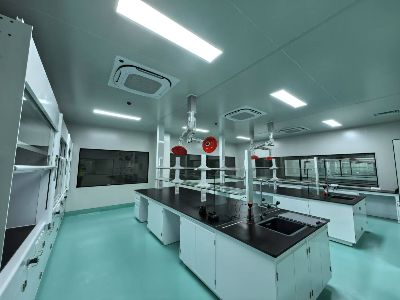
Clean room panels are essential components in controlled environments, particularly in industries such as pharmaceuticals, electronics, and healthcare. These panels, which can be made from materials like steel, aluminum, and stainless steel, play a crucial role in maintaining the integrity of clean room design. This article focuses on the evaluation, selection, and installation of steel, aluminum, and stainless steel facings for clean room panels, addressing key buyer concerns such as material quality, installation challenges, and potential issues during operation.
How to Evaluate the Quality of Clean Room Panel Materials?
When assessing the quality of materials used for clean room panels, buyers should consider several key specifications. First, the thickness of the panel affects its insulation properties and structural integrity. Panels must meet specific thickness requirements based on environmental conditions and regulatory standards.
Next, the surface finish is critical; it should support easy cleaning and minimize particle generation. For instance, a smooth, non-porous finish helps in maintaining cleanliness and reducing contamination risks. Buyers should also look for certifications that indicate compliance with industry standards, ensuring the materials are suitable for their intended application.
Another aspect to evaluate is the material's resistance to chemicals and moisture. In clean room system, exposure to various substances can affect the longevity and performance of the panels. Therefore, knowing the environmental factors they will be subjected to is essential for selecting durable materials.
Bulk Order Considerations for Steel and Aluminum Clean Room Panels
When placing bulk orders for clean room panels, several considerations must be taken into account to optimize cost and efficiency. First, understanding the minimum order quantity (MOQ) is crucial, as it can impact pricing. Manufacturers often have set MOQs to ensure production efficiency, and exceeding these quantities can result in lower unit costs.
Lead times are another important factor. Buyers should inquire about the expected delivery timeline, especially if they have specific installation schedules. This includes understanding how long production will take and the shipping options available.
Additionally, it is essential to confirm customization options. Many suppliers offer tailored solutions for panel dimensions, finishes, and sealing options, which can significantly affect performance and compatibility with existing clean room materials. Engaging in discussions about potential customizations early in the ordering process can help avoid delays and misunderstandings.
Steel vs. Aluminum vs. Stainless
Choosing between steel, aluminum, and stainless steel for clean room panel facings depends on various factors, including strength, weight, and environmental resistance.
Steel panels are known for their durability and structural strength, making them a solid choice for applications requiring high impact resistance. However, they are heavier than aluminum and may require more robust support structures during installation.
Aluminum, on the other hand, is lightweight and resistant to corrosion, making it suitable for environments where weight is a concern. Its ease of handling during installation is a significant advantage, especially in modular clean room designs. However, aluminum might not provide the same level of impact resistance as steel.
Stainless steel combines the strengths of both materials, offering corrosion resistance along with structural integrity. It is particularly useful in environments that require stringent hygiene standards, such as pharmaceutical clean rooms. Nevertheless, buyers should be aware that stainless steel panels can be more expensive than their aluminum and steel counterparts.
Ultimately, the choice should be guided by the specific application requirements, including expected load, exposure conditions, and budget constraints.
Installation Guidance for Steel and Aluminum Clean Room Panel Systems
Proper installation of clean room panels is critical for ensuring their performance and longevity. Before starting the installation process, it is essential to review the layout drawings and confirm that all necessary components are available.
One common issue during installation is misalignment of panels, which can lead to gaps that compromise the clean room's integrity. To avoid this, installers should work from a level and secure reference point, ensuring that each panel is aligned and secured properly. It is also advisable to utilize a qualified team familiar with clean room construction to mitigate potential errors.
Moreover, the sealing methods used to join panel edges are vital in maintaining air quality. Buyers should confirm that the chosen seals meet the cleanroom classification requirements and are applied correctly during installation. Regular inspections and maintenance checks post-installation can further ensure the panels remain effective over time.
Common Problems with Clean Room Panels and Practical Solutions
Clean room panels may encounter several issues during their lifecycle, which can affect their functionality and compliance with regulatory standards. One common problem is panel delamination, which can occur due to improper adhesive application or environmental factors. To address this, buyers should ensure that the panels are sourced from reputable manufacturers that adhere to strict quality control processes.
Another issue is contamination due to improper sealing. If seals degrade or are not applied correctly, they can allow particles and microorganisms to infiltrate the clean room environment. Regular maintenance checks are essential to identify and rectify any sealing issues before they escalate.
Lastly, thermal expansion can lead to warping or shifting of panels over time. Buyers should consider environmental temperature fluctuations when selecting materials and ensure that installation allows for adequate expansion space.
By understanding these potential problems and implementing proactive solutions, buyers can enhance the reliability and performance of their clean room panel systems.
