 EN
EN
 AR
AR
 NL
NL
 FI
FI
 FR
FR
 DE
DE
 EL
EL
 HI
HI
 IT
IT
 JA
JA
 KO
KO
 PT
PT
 ES
ES
 RU
RU
 TL
TL
 ID
ID
 UK
UK
 VI
VI
 TH
TH
 HU
HU
 TR
TR
 MS
MS
 LA
LA
 BN
BN
 MN
MN
 MY
MY
 UZ
UZ
 KK
KK


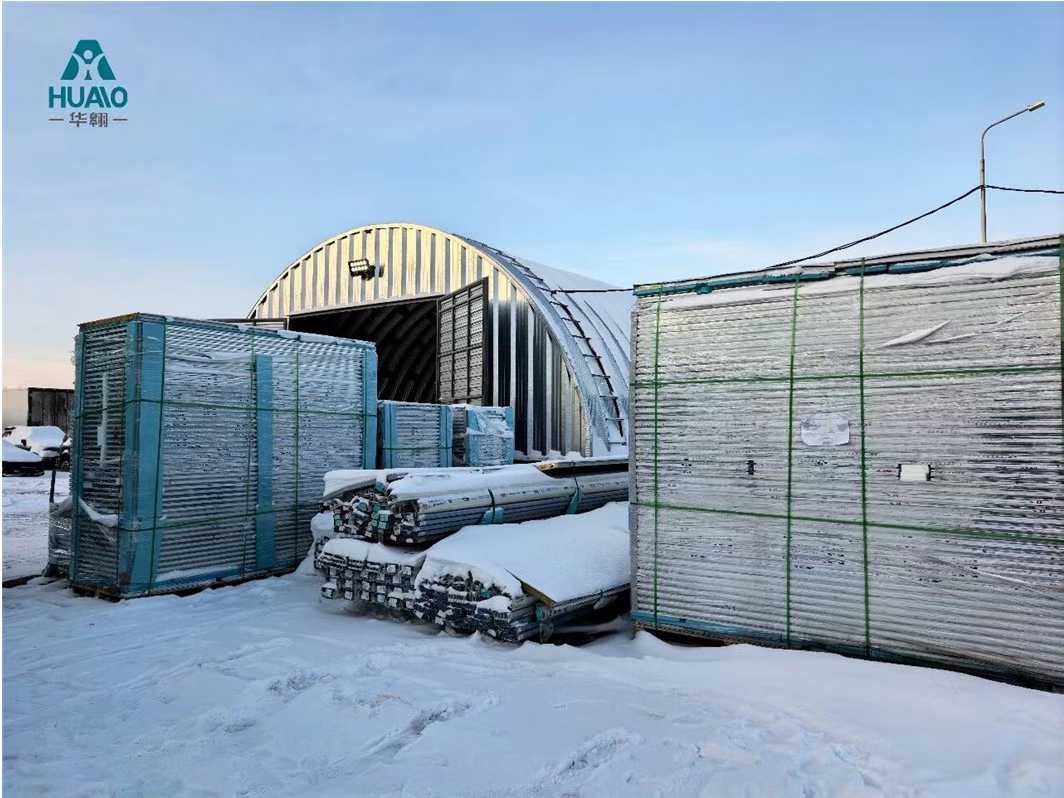
In order to maintain the necessary level of air purity, cleanrooms require that Fan Filter Units (FFUs) operate under effective conditions. But the nearby building materials could have a direct impact on the FFUs. To maximize their cleanliness efficiency, an adequate and well-sealed wall panel is needed in the entire flow route which should create a truly enclosed environment for FFU and maintain clean condition. Guangdong Huaao Clean Technology Group Co., Ltd. is a national high-tech company that specializes in providing overall solutions for clean room, and offers excellent sealing and installation properties in the field of FFU applications.
How Wall Panels Impact FFU Efficiency
The air drawn in to the FFUs is drawn from the clean room ceiling through a HEPA or ULPA filter and is then directed down to the work area. This uncontaminated laminar air flow requires a tight air seal around the clean room. The air-tight wall panels allows all the air exchange to take place in the proper direction.
Because air is blowing in through unsealed panel joints the clean room will continue to allow unfiltered air through and around your FFUs it will result in reduced efficiency from the FFUs and a build-up of more particulate. It has even been observed that if panel joints are not sealed these are to blame and that an entire portion of the work space won’t remain particulate free even with an active FFU working.
Airtight wall panels also facilitate the maintenance of constant air pressure differentials between the cleanroom and other areas. This pressure control is needed to prevent the entry of airborne particles and to facilitate unidirectional air flow which is necessary in ISO Class 5 environments. The performance of the FFUs can be adversely affected if not properly sealed.
Key Features of Airtight Wall Panels
Airtight cleanroom wall panels incorporate a number of design features that are unique from standard construction materials.
Panel airtightness is the main factor of the sealing systems. Good panels will use EPDM or silicone gaskets in their joint designs to make an air barrier that will maintain its effectiveness when the pressure fluctuates. This seal is further enhanced by interlocking panel edges which create a continuous, unbroken surface with no areas or crevices to allow air to escape.
Surface finish is also a factor in keeping the seal. Panels can be sealed at the edges with smooth and non-porous surfaces like PVDF-coated steel, stainless steel or aluminum. The surfaces also help maintain the cleanliness of the area because they do not harbor dust and dirt and are easy to clean.
Structural Integrity assures panels continue to seal over time. Panels that are made in a sandwich way with a sturdy material like rock wool, polyurethane foam, or honeycomb paper as the core material have the rigidity required to prevent bowing or movement that might compromise the seal. The panels of Huaao are designed to keep their structural and sealing properties in use during their service life.
Airtightness Testing and Standards
Wall panels are subjected to extensive airtightness testing to ensure they will perform according to the requirements of the cleanroom. The most frequent technique for accomplishing this is the pressure decay test, which requires the cleanroom or a portion of the cleanroom to be pressurized and then the pressure decay is recorded as a function of time. Where the cleanroom is well-sealed and appropriately designed, there should be minimal loss of pressure.
Another effective way of checking airtightness is by smoke testing. Technicians can use a harmless smoke source to introduce smoke near the joints between the panels and see how it travels to detect even minor leaks that might affect the efficiency of the FFU. The smoke will flow towards any air leak and this will be observed.
These tests enable facility managers to determine where the seal of the panel needs to be improved and give confidence that the cleanroom envelope is functioning as needed. The cleanroom is designed to meet international standards such as ISO 14644 and GMP guidelines. This help ensure the cleanroom's environmental integrity is maintained for its intended purpose.
Integration with FFU Systems
For best results, the wall panels need to be designed in conjunction with the FFU system. This makes them airtight. This coordination starts with the right planning of the interfaces of the ceiling and walls. The panels should form a continuous, airtight envelope which operates in unison with the FFUs.
The panels used for room walls also contain pathways of return air in many of the designs. Special panels that contain a hollow interior allows for the return of air stream to travel back to the FFUs, taking up no additional room volume. This eliminates the imbalance that may arise in other designs where the FFUs provide the only path of return air to clean.
Ensuring a complete airtight sealing and all penetrations (like penetrations for electrical conduits or piping etc.) are perfectly sealed with appropriate sealing materials is another critical element for integration. Our panels are designed for high productivity during installation with uncompromising standards in airtightness to ensure efficient operation of your FFUs.
Conclusion
To work best for FFU's, the cleanroom wall panels need to be airtight. Otherwise, your FFU will be battling an out of control system of air movement and will fail to maintain the desired pressure differentials and air flow to keep sensitive environments such as pharmacies, hospitals and electronics plants clean. There are a variety of clean room walls panels available for stock. Contact our team today to discuss your project with us and help you achieve your goals for your next clean room renovation.
