 EN
EN
 AR
AR
 NL
NL
 FI
FI
 FR
FR
 DE
DE
 EL
EL
 HI
HI
 IT
IT
 JA
JA
 KO
KO
 PT
PT
 ES
ES
 RU
RU
 TL
TL
 ID
ID
 UK
UK
 VI
VI
 TH
TH
 HU
HU
 TR
TR
 MS
MS
 LA
LA
 BN
BN
 MN
MN
 MY
MY
 UZ
UZ
 KK
KK


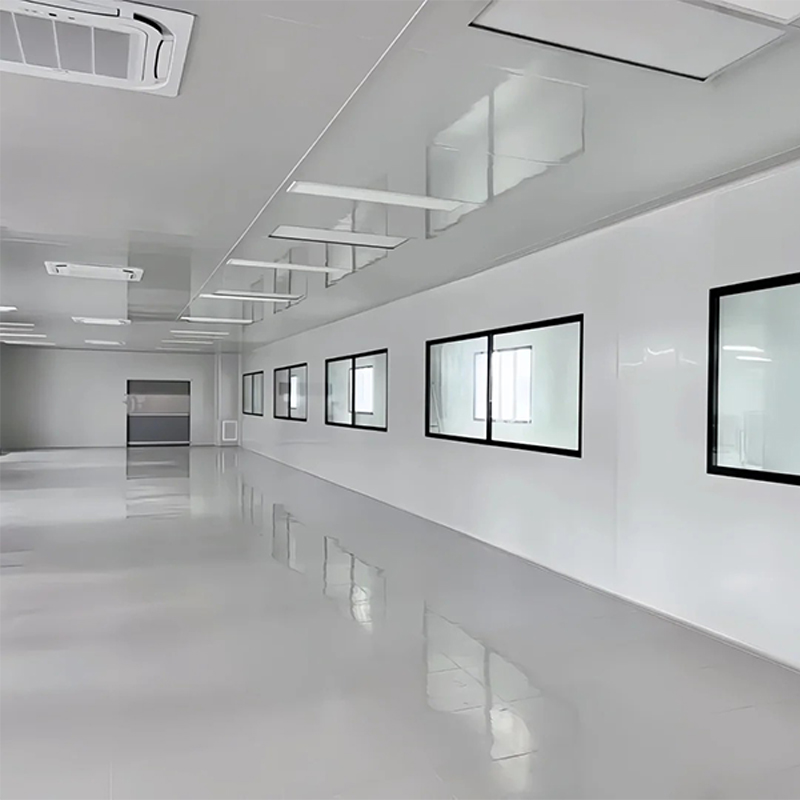
Cleanroom doors are not merely a way to get inside and out. These highly functional and effective doors like steel, aluminum, and HPL are designed to regulate pressure differentials, contain contaminants and ultimately, to achieve code compliance. The type of materials for the door can affect various aspects of cleanroom requirements and operating expenses. It's time you know the difference between steel cleanroom doors, aluminum cleanroom and HPL clean room doors.
Why Material Selection Matters in Cleanroom Doors
Cleanroom doors can run into special situations that you don't typically get with building doors. Harsh cleaning practices (such as Vapor Hydrogen Peroxide disinfection, long exposure to chemical cleaners and regular cleaning) will test the cleanroom's doors. They also must become "sealed off" so that there are no paths for the contaminants to leak in or pressure differences to occur.
The properties of the material used for making a cleanroom door can have an impact on key performance factors such as surface smoothness and particle shedding potential, corrosion resistance to cleaning agents, thermal expansion and stability, high frequency use, and adherence to ISO 14644, GMP and other industry requirements. The materials and the strengths and weaknesses of each have their own set of advantages and disadvantages and will be available in a variety of combinations that will depend on the different classes of cleanrooms, different applications and budgets.
Steel Doors: The Industry Standard for High-Risk Zones
The stainless steel 304L or 316L clean room door is considered the“Gold Standard” of steel clean room in high risk environment. In grade 316L, molybdenum helps to provide resistance to pitting and crevice corrosion due to disinfectants that contain chlorides.
The main benefits of steel doors is there excellent corrosion resistance and ability to withstand thousands of disinfection cycles. The ultra-smooth surface conforms to surface roughness standards below the GMP standards and minimizes the amount of particles on the surface which makes cleaning easier. Steel doors compared with other materials have an average life span of 20-25 years, which is very durable. Steel is the only GMP Grade A/B environment option for a pharmaceutical or aseptic processing environment or for a biotechnology application.
But there are a number of problems with steel doors. They also tend to be much heavier compared to aluminum or composite components; and can be more difficult to use, particularly when they need to be used in different environments like different pressures. There is a need for heavier and larger structural support as well as sturdy hardware. Dents and/or impacts to steel doors can cause damage to the door, and may require expensive on-site repair work or replacement.
Aluminum Doors: Lightweight but Limited
Lightweight but Limited Aluminium doors are considered to be around one third of the weight of steel and hence are regarded as being lightweight. This weight advantage allows their ease of operation and lessens the stress on hinge and automatic operation. The prime merits of aluminum doors comprise lightweight design so they can be easily set up and used frequently, they have a standard cost that is lower than the cost for other stainless steel frame and they are fairly resistant to corrosion when treated with anodized or powder coated.
Anodised aluminum relies solely on an anodized layer to protect the aluminum, which easily scratches and will happily kickstart the galvanic corrosion process once the anodising layer comes away, especially once the aluminium is coupled with the stainless steel screws and nuts that the doors are secured with. This is a serious drawback and aluminum is also not recommended for areas that must be cleaned frequently, or areas that are frequently damp. Many reports indicate an extremely low life expectancy of just 8-12 years for the aluminium door and many do not comply with the aesthetic of the surfaces required in the top quality clean rooms.
HPL Doors: Cost-Effective for Lower-Class Cleanrooms
High pressure laminate (HPL) doors have established themselves as a very popular entry for the health care and cleanroom industry in terms of performance and economics. HPL is a composite material that is non-porous, can be disinfected and wiped.
HPL doors offer a number of advantages including being resistant to bacteria and coating with antimicrobial properties may be added to the door; the HPL is resistant to wear and scratch, it does not require frequent cleaning and also has moderate disinfection and general disinfectant exposure resistance. Their initial cost is less than stainless steel. HPL may be a very good and economical choice for ISO Class 7 and ISO Class 8 areas, and support zones that are not critical.
However, there are a number of drawbacks to HPL doors. Water may infiltrate through leaks or seams causing delamination, swelling and microbial growth which will not satisfy GMP. Microbial growth is not acceptable in GMP Grade A/B environments and is indicated by moisture leaks. The life of these is 5-10 years and far less than steel, and the amount of contamination particles after cleaning is more.
Conclusion: Matching Material to Cleanroom Requirements
Once you know the operational requirements and cleanroom classification you can choose the right type of cleanroom door.
The material to be used is highly recommended and suggested for pharmaceutical aseptic processing, biotechnology application or any environment that needs to have GMP Grade A or B compliance, such as steel, especially 316L stainless steel. It is extremely durable, corrosion resistant and meets all regulatory tests; thus, it is a worthwhile investment.
HPL can be used as an alternative to ISO Class 7/8 zones, healthcare areas as well as support zones where there is limited exposure to aggressive chemicals, all at a lower cost.
Because of its surface coating requirements and its sensitivity to exposure to chemicals, aluminum may be used for applications where weight is an important factor and where there is low chemical exposure, but it is not as useful for harsh cleanroom use.
Guangdong Huaao Clean Technology Group Co., Ltd. is a manufacturer of all kinds of cleanroom doors and cleanroom door panels. Contact us and we'll help you determine the best cleanroom door for your facility.
