 EN
EN
 AR
AR
 NL
NL
 FI
FI
 FR
FR
 DE
DE
 EL
EL
 HI
HI
 IT
IT
 JA
JA
 KO
KO
 PT
PT
 ES
ES
 RU
RU
 TL
TL
 ID
ID
 UK
UK
 VI
VI
 TH
TH
 HU
HU
 TR
TR
 MS
MS
 LA
LA
 BN
BN
 MN
MN
 MY
MY
 UZ
UZ
 KK
KK


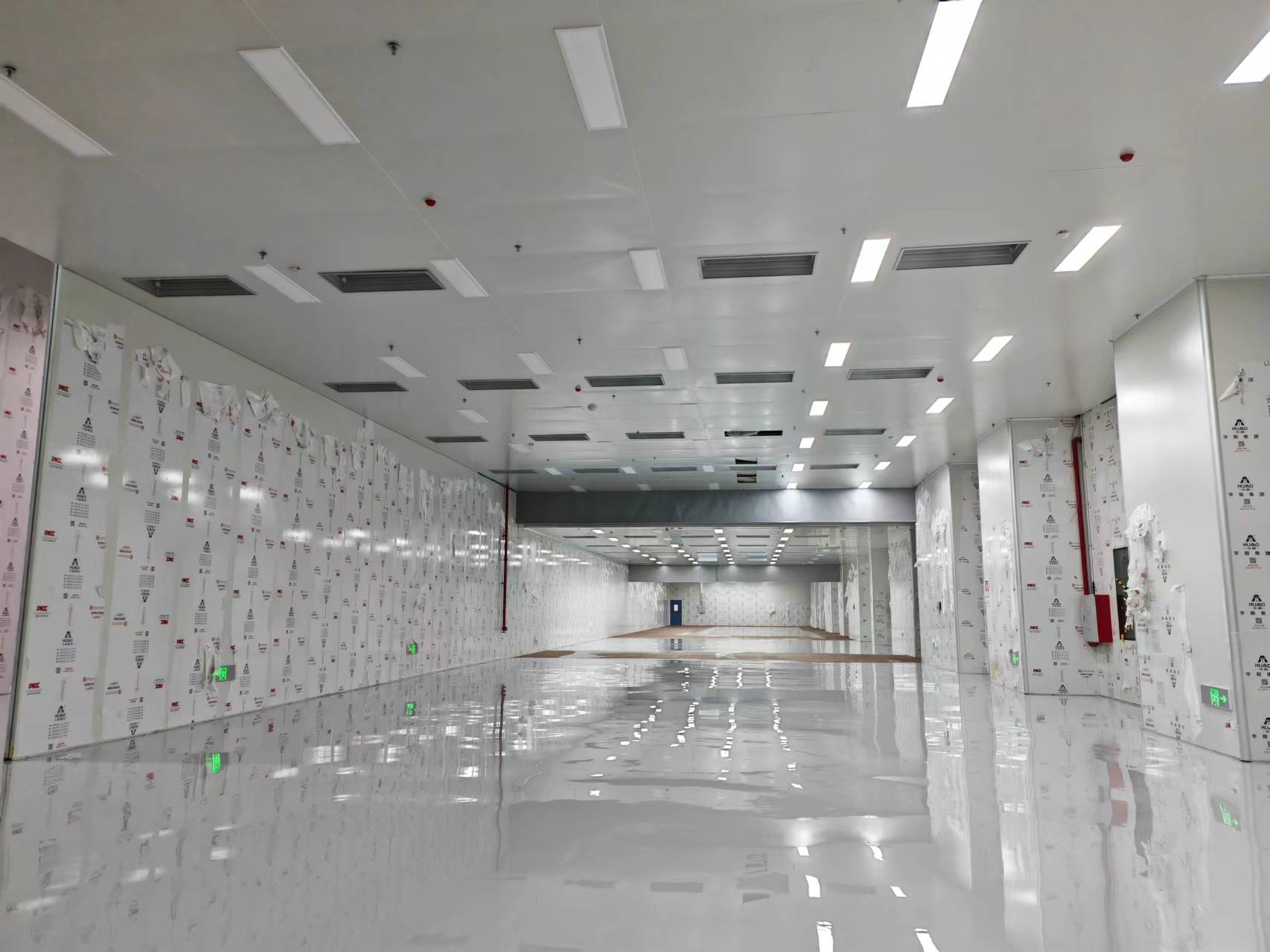
In cleanroom areas, doors are vital barriers that help to create and maintain pressure differentials and keep contamination out of the area. A closed door, however does not make it easy to see, and this can reduce safety. To combat this, vision panels offer visual access without the need to open the door, so as to balance the competing demands of containment and observation. In pharmaceutical, electronics and healthcare facilities, choosing the right vision panel is crucial for both safety and efficiency.
The Safety Imperative: Why Vision Panels Are Essential
Laboratory and cleanroom doors need to be kept closed to maintain air pressurization and containment, as stipulated by the biosafety standards. But laboratories or clean rooms are also dangerous places and seeing is key in ensuring safety by visual connection from corridors.
On the safety front, several crucial safety activities are performed by vision panels. The first being they allow the operator to visually monitor the outside of the cleanroom/laboratory, preventing staff from having to enter the cleanroom/laboratory when the door is opened to know exactly what's going on they might otherwise miss. With an emergency going on, individuals outside the room may safely assess the severity of the emergency and the immediate risk before opening the door and entering the affected room.
Additionally, vision panels serve as a safety barrier. A barrier for everyone entering and exiting the room that enables visual observation of anything behind the door, in particular narrow corridors and small cleanrooms. Finally, vision panels in the anteroom/vestibule areas enable the user to determine it is clear of hazards before opening the door which can help improve working efficiencies.
Moreover, vision panels have a practical purpose, allowing a windowless inside to be filled with borrowed light and giving the feeling of being an open space, thus enhancing a windowless area for working in a cleanroom, like a windowsill.
Regulatory Compliance and Design Standards
Cleanroom vision panels are subject to stringent standards in regulatory and business areas. In medical applications, pharmaceutical and food production, it is recommended that vision panels and doors have integrated functionality for compliance with Good Manufacturing Practices (GMP), on cleanability and on prevention of dirt, microbes and bacteria.
Usually, compliant vision panels are constructed with flush-glazed, so the glass is even with the faces of the door. This means there are no ledges, crevices etc where particles may build up, allowing the surface to be cleaned and disinfected fully on the door's surface.
The whole door assembly, including vision panels should also be suitably rated for the fire rated wall to which the door is installed. Self closing doors must be provided and vision panels must comply with the fire rating of the door installed in a fire rated corridor. If a double-leaf cleanroom door must be fire resistant or must be used to separate rooms that must be subjected to an air pressure differential, then overlapping astragals must be used.
Vision Panel Configurations and Specialty Options
There are all sorts of sizes and configurations of vision panels available based on the purpose of the vision panel. Small panels are good for close up viewing, and larger panels are ideal for the expansive views and borrowed light.
High quality vision panels have a number of important features in cleanroom applications. The glass is double tempered for strength and anti-condensation designs will help to keep the glass from getting foggy and affect your view. Contemporary cleanroom doors are commonly fitted with 45 degree vision kits, or flush glazing on one or both sides, giving no indication of fixings to provide for easy wipe-clean surfaces.
Other features may be necessary for specialty applications. In the optical lab, microscope room or any light-sensitive room, vision panels should be equipped with a hinged or sliding, light tight cover that can be closed during sensitive use and opened during visual observation. Red filters of appropriate wavelengths can be fitted to vision panels in animal holding room with a diurnal lighting systems. Where possible, vision panels should be properly sized for a high-traffic environment for door protection plates and rails. Vision panels, which can be fitted with operable blinds, are available for applications that demand privacy – they offer privacy as required and can be opened to allow visibility when necessary.
Material and Construction Considerations
When designing a vision panel, it can have a profound effect on its performance in the cleanroom. The best cleanroom doorsets will have seamless finishes on the edges of all leaves to make surfaces easy to clean and with no areas where dirt can trap or bacteria can thrive.
These vision panels should be able to fit the overall construction of the door. Today, state of the art manufactures like continuous interlocking lock seams with steel door panels offers enhanced strength, durability, and decreases material waste. Many door cores are either insulated, sound-deadened or feature both. Vision panels can be designed to fit easily into the door air sealing system and will not impede air tightness.
As a national high-tech enterprise, Guangdong Huaao Clean Technology Group Co., Ltd. has a complete range of cleanroom products that can satisfy these strict demands, including cleanroom doors and vision panels. Huaao has six factories with customers in various countries around the world, giving professional modular cleanroom solutions to the cleanroom fields such as pharmaceutical, electronics, healthcare and others.
