 EN
EN
 AR
AR
 NL
NL
 FI
FI
 FR
FR
 DE
DE
 EL
EL
 HI
HI
 IT
IT
 JA
JA
 KO
KO
 PT
PT
 ES
ES
 RU
RU
 TL
TL
 ID
ID
 UK
UK
 VI
VI
 TH
TH
 HU
HU
 TR
TR
 MS
MS
 LA
LA
 BN
BN
 MN
MN
 MY
MY
 UZ
UZ
 KK
KK


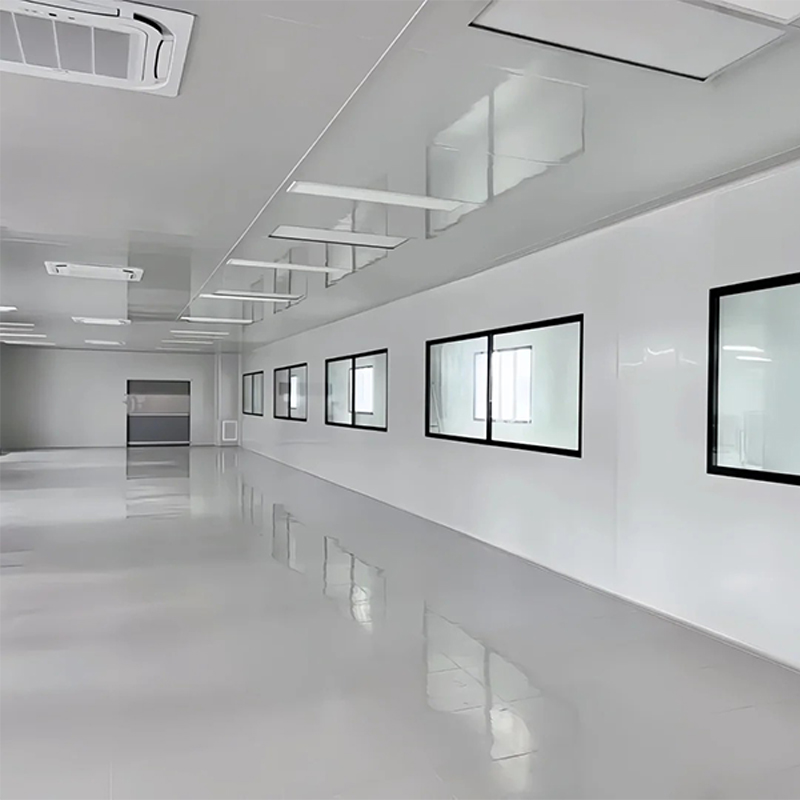
Whether it is patient safety, optimizing workflow, or meeting the ever-changing compliance guidelines, smart clean room doors are the new norm in healthcare facility design. As hospitals and laboratories transition away from their antiquated systems, smart door systems that feature touch-less features, real-time access data and IoT integrations are reimagining how we access these essential spaces.
The Rise of Smart Automation in Cleanroom Access
Global airtight sliding door market is expected to rise from USD 1.26 billion in 2025 to USD 1.76 billion by 2032 because of the rise in the number of hospitals and healthcare renovations. This development is indicative of the sweeping shift towards automation in cleanroom access. Similarly, the automatic hermetic hinged doors industry is growing at a CAGR of 9.1% from 2025 to 2026, supported by growing contamination control needs and expansion of pharmaceutical facilities.
Today, smart cleanroom doors are equipped with touch-free opening and closing, smart sensors, and building management system integration. These systems allow for pressure controlled areas to be air tight while reducing contact with door surface to limit the exposure needed for infection control. Automated doors can be sensor operated, helping to minimize the risk of HAI in key areas by reducing high-touch surfaces.
IoT-Enabled Monitoring and Predictive Maintenance
IoT technology introduced to the cleanroom door system is changing it from a passive barrier to a smart tool that gives valuable data. A cleanroom's smart doors feature redundancy and sensors which detect sealing issues, monitor usage and alert to potential failure before it causes containment problems.
A newer technology feature on pneumatic seals is the ability to embed sensors for real-time performance data. Sensitive system can detect any deviation from the optimum sealing situation and notify facility manager of potential problem. This predictive ability can cut down unforced downtime up by 70%, and increase seal life by 25-40%. In healthcare settings where the availability of cleanrooms can significantly affect the quality of patient care and the pace of research, this reliability is crucial.
Cloud-based monitoring platforms now allow compliance reporting and diagnostics to be done remotely. Capturing door performance throughout various locations in the healthcare facility can help to recognize optimization opportunities, and can provide audit-ready data for regulatory examinations. Some systems can be tied to the Internet of Things so that action can be taken as a coordinated response to contamination incidents and adjustments can be made automatically to satisfy pressure hierarchy requirements .
Hermetic Sealing and Infection Control Innovation
HAPIs are associated with 7.6% of patients and nearly 30% of the cases are related to pneumonia and respiratory infections . The smart hermetic door directly tackles this challenge with its high-performance airtight sealing ability, ensuring no airborne particle migration.
Modern hermetically sealed sliding doors have a system of patented pivoting mechanisms that close the door leaf against the door frame during closing and create a pressure hierarchy while applying a barrier to unwanted air exchange. They are built to resist vaporized hydrogen peroxide disinfection and other intense cleaning methods to provide long-lasting effectiveness in high-risk health care applications.
Another innovation frontier is the widespread adoption of antimicrobial material surfaces and of self-healing seal materials. The advanced surface properties with antimicrobial activity allow continuous protection against the growth of bacteria and emerging healing materials can repair minor damage and seal surfaces on their own. Especially beneficial in pharmaceutical manufacturing and biotech facilities where contamination prevention is of critical importance.
Integration with Building Management Systems
Smart cleanroom doors will become increasingly integrated with other elements within the hospital environment. Automation solutions for such doors are able to be integrated with building management systems, fire systems, security and theater systems.
Now responses are synchronized, access is automated based on live data, and all cleanroom entries can be centrally monitored. What this means in healthcare renovations is that doorways may be ordered for immediate integration into your current build while retaining future-proofing your infrastructure.
Healthcare workers can now use a digital touch screen interface on the door to keep an eye on the cleanroom environment, configure door parameters and view data like surgery schedules from the door . The widespread adoption of smart cleanroom doors in hospitals will greatly contribute to clinical and operational excellence, and will be a key component of the healthcare technology landscape.
Conclusion
Smart cleanroom doors are a major step in healthcare renovation design, being automated, IoT-enabled, and with state-of-the-art sealing technologies that improve infection control and operability. Healthcare institutions investing in cleanroom doors place themselves at the forefront of contamination control and regulatory compliance, as the global cleanroom door market is expected to grow to a massive $4.20 billion by 2034.
As a national high-tech comprehensive cleanroom solution company, Guangdong Huaao Clean Technology Group Co., Ltd. provides various clean room door systems for meeting the changing needs of the industry. Contact Huaao about smart cleanroom door technology and how it can help your healthcare renovation project.
