 EN
EN
 AR
AR
 NL
NL
 FI
FI
 FR
FR
 DE
DE
 EL
EL
 HI
HI
 IT
IT
 JA
JA
 KO
KO
 PT
PT
 ES
ES
 RU
RU
 TL
TL
 ID
ID
 UK
UK
 VI
VI
 TH
TH
 HU
HU
 TR
TR
 MS
MS
 LA
LA
 BN
BN
 MN
MN
 MY
MY
 UZ
UZ
 KK
KK


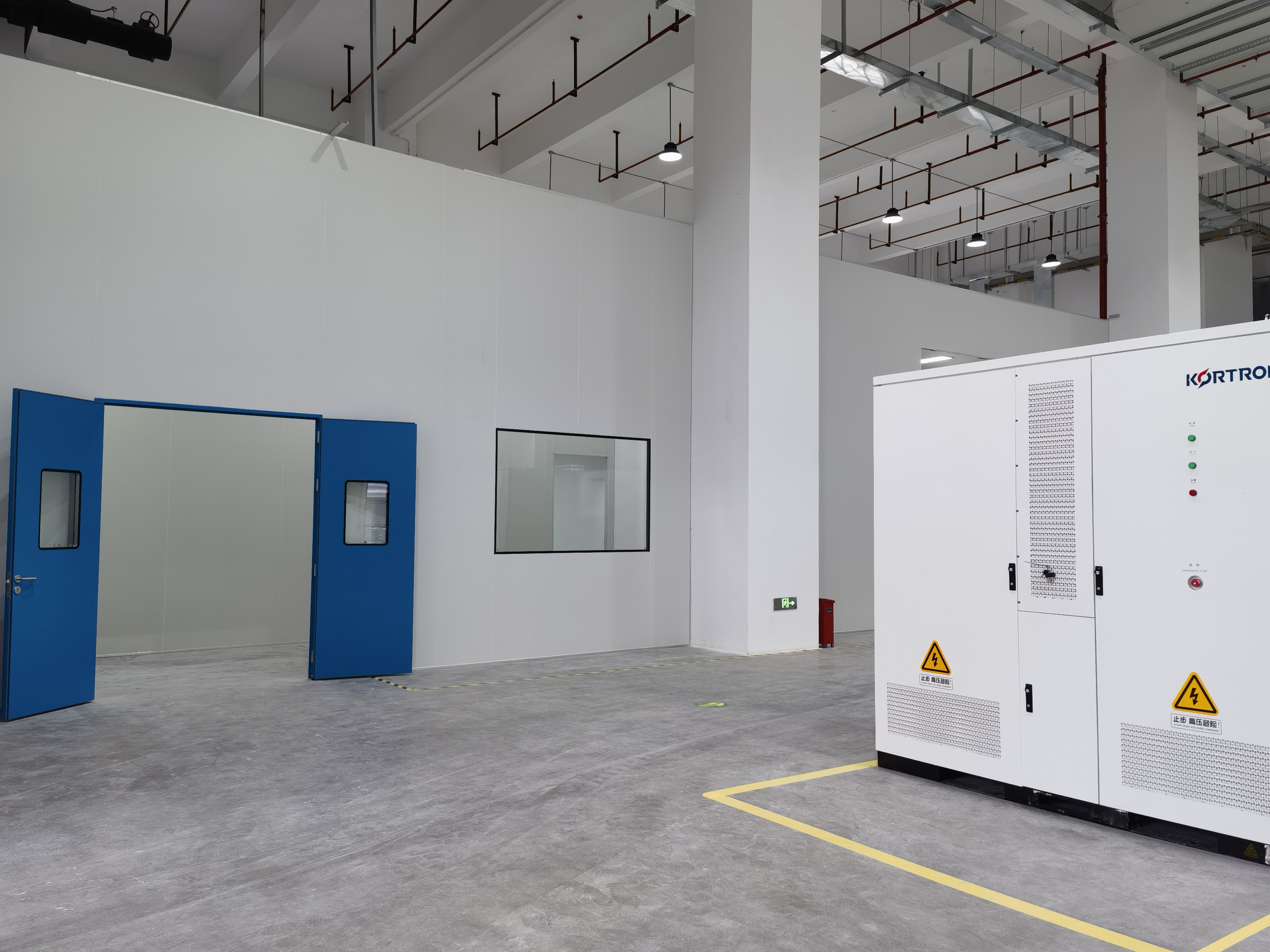
In Fan Filter Unit (FFU) cleanrooms, all the building envelope elements contribute to the cleanliness, pressure stability and energy efficiency of the cleanroom. But one of those that is often forgotten is clean room windows. Poorly designed windows, or a poorly sealed window, are the weakest link, letting contaminants into the cleanroom, creating turbulence and causing FFUs to work harder. The clean room windows are not only clear glass panes, but sophisticated barriers that actively assist FFU functioning. Let's look at four important contributions they make.
Maintaining Positive or Negative Pressure Differentials
FFU cleanrooms are exposed to harsh pressure conditions. Positive pressure is generally required in the pharmaceutical manufacturing region to exclude the contaminants, while negative pressure is generally required in the isolation ward or some laboratories to confine harmful agents in the laboratory. These differences in pressure, which can be as high as 10-50 Pascals compared to neighbouring rooms, have to be sustained at all times.
Pressure bleed is prevented by airtight windows. When a window leaks, conditioned air will leak out causing the FFUs to increase the speed of the fan to compensate and reducing the life of the filter. At times the flow of air can even be from dirty to clean.
The clean room windows can withstand differential pressures up to 250 Pa from the closed cell rubber gaskets, silicone seals and compression locking system of the clean room windows. The test of air leakage is done between the frame and panel according to the GB/T 7106 or ISO standards. These windows are the ones that offer the pressure cascade for the HVAC engineer in the renovations at hospitals or expansions for pharmaceutical.
Preventing Contamination Bypass Around FFUs
Inlet air is drawn from the room, forced through the prefilters and then the HEPA or ULPA filters and finally is blown down through a laminar or turbulent flow pattern. A bypass route is some leakage in the room envelope (around windows). There may be filtered air released or filtered air from an adjoining lower-rated room may filter thru.
The advantage of an airtight window is that it blocks this leak. Huaao's windows are installed flush with cleanroom sandwich panels, and sealed like the panel joints. No gaps between glass and frame, glass is bedded with continuous silicone or EPDM frames. Adjustable compression seals that match surfaces are used on our windows. The result is an optimal room envelope, not in conflict with the FFUs.
Reducing FFU Load Through Thermal and Acoustic Insulation
Besides particle control, airtightness affects thermal and acoustic performance. Windows that leak will allow outside humidity, heat and noise to seep in, and make the HVAC units harder working. In the case of FFU cleanrooms there is a need for fine control of the temperature and humidity (typically within ±0.5°C and ±5%RH). This is hard to achieve because of uncontrollable infiltration
Huaao's clean room windows are double-glazed or triple-glazed with inert gas fills, which provide thermal insulation to minimize condensation and heat transfer. The frames are designed to avoid cold bridging with the use of thermal break profiles. In addition, airtight seals prevent external noise which is particularly useful for hospital cleanrooms in close proximity to emergency departments. These windows provide thermal and acoustic benefits and enable FFUs and HVAC systems to run within their design specifications.
Supporting Cleanability and Long-Term Durability
FFU based cleanrooms require frequent cleaning and disinfecting using alcohol, hydrogen peroxide vapor and disinfectants. Chemical exposure causes degradation of windows, resulting in micro-cracks, seal failure and surface pitting which are contamination sources and air leakage paths.
Cleanroom windows are manufactured by Huaao that have aluminium frames with electrostatic powder coating (epoxy or polyester) that has been rated for chemical resistance. Glass choices include tempered safety or anti-microbial/anti-static laminated safety. The seals are silicone or Viton and will not harden or crack when repeatedly chemically wiped down. No surface is rough, porous, or has cracks or crevices that collect particles.
Our windows can be custom cut to fit in place for renovation projects and can be shipped with documentation such as air leakage test reports, material certifications, installation instructions and more.
Summary
The four important functions of the clean room window are: pressure differential maintenance, preventing contamination bypass, minimizing thermal and acoustic loads on HVAC systems, and stringent cleanroom cleaning protocols. These windows are produced by a national high tech enterprise, Huaao Clean Technology Group. They have six factories, a total of 250,000 m², 800 employees and a yearly turnover of 1 billion RMB. Our product lines include clean room panels, doors and windows, aluminum profiles, PVC floorings, purification equipment, shadowless lamps and ventilation valves. If you are looking for a new FFU based cleanroom project, contact Huaao to make sure your windows are engineered barriers.
