 EN
 AR
 NL
 FI
 FR
 DE
 EL
 HI
 IT
 JA
 KO
 PT
 ES
 RU
 TL
 ID
 UK
 VI
 TH
 HU
 TR
 MS
 LA
 BN
 MN
 MY
 UZ
 KK


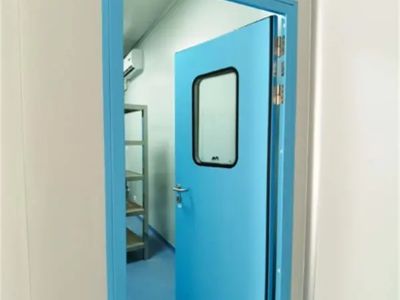
Effective door surface flatness and cleanability are crucial in hygienic manufacturing areas, particularly in industries like pharmaceuticals, electronics, and healthcare. These aspects influence not only the functionality of the doors but also the overall cleanliness and contamination control within these sensitive environments. We will discuss key specifications for cleanable doors, how to choose the right door based on hygiene standards, reliable sourcing options, cost considerations, and common issues related to door flatness along with their solutions.
Key Specifications for Cleanable Doors in Manufacturing Environments
When selecting doors for hygienic manufacturing areas, several specifications must be carefully considered to ensure they meet cleanliness and operational demands.
Material: The material of the door is paramount. Stainless steel is a popular choice due to its resistance to corrosion and ease of cleaning. It is essential to select a material compatible with the specific environment, such as anti-bacterial coatings for added protection.
Surface Finish: A smooth, non-porous surface is vital for preventing dirt and microbial growth. A high-gloss or polished finish can minimize surface roughness, making cleaning more efficient.
Thickness and Insulation: The thickness of the door impacts its durability and insulation properties. For cleanrooms, doors typically range from 1.5 to 2 inches thick, providing a balance between sturdiness and thermal efficiency.
Sealing and Gasketing: Proper sealing prevents air and particulate exchange, which is essential in maintaining the cleanroom environment. Doors should feature seals that can withstand frequent cleaning and exposure to disinfectants.
Flatness Tolerance: Maintaining a precise flatness tolerance is critical to ensure a proper fit within frames and avoid gaps that can harbor contaminants. Manufacturers should provide specifications detailing allowable deviations.
Understanding these specifications will allow buyers to make informed decisions when sourcing doors for their cleanroom applications, ensuring compliance with stringent hygiene standards.
Choosing the Right Door for Hygiene and Cleanability Standards
Selecting the appropriate door for hygienic manufacturing environments involves evaluating specific requirements based on the operational context. Factors to consider include:
Application Type: Different areas of a facility may have varying hygiene requirements. For instance, doors in sterile pharmaceutical areas may need to meet higher standards than those in less critical zones.
Operating Environment: Consider factors such as temperature fluctuations, exposure to chemicals, and humidity levels. Doors should be rated for the specific conditions they will encounter.
Regulatory Compliance: Ensure that the chosen door meets relevant industry regulations and standards, such as FDA or ISO certifications, which can vary by application and region.
Ease of Maintenance: Doors should allow for easy cleaning and maintenance. Features like removable panels or integrated cleaning systems can enhance usability.
Customization Options: Depending on the specific needs of the facility, customization may be necessary. This includes modifications in size, design, and additional features such as windows or pass-throughs.
Working closely with a reliable supplier can provide insights into suitable door options that align with hygiene and cleanability standards tailored to the facility's specific needs.
Where to Source Reliable Doors for Hygienic Manufacturing Needs?
When sourcing doors for hygienic manufacturing areas, it is crucial to partner with reputable suppliers that specialize in cleanroom systems. Here are key considerations for finding a reliable source:
Industry Experience: Look for suppliers with a proven track record in manufacturing cleanroom doors and systems. Companies like Huaao Clean Technology Group offer extensive experience and expertise in this field.
Quality Assurance: Ensure that the manufacturer implements stringent quality control processes throughout production. Certifications such as ISO 9001 can indicate adherence to international quality standards.
Product Range: A supplier should offer a diverse range of door options, including various materials, finishes, and customization capabilities, to meet specific application demands.
Technical Support: Reliable suppliers should provide technical guidance and support, assisting with product selection, installation requirements, and compliance with industry standards.
Customer Reviews and References: Assess customer feedback and request case studies to gauge the supplier’s reliability and performance history in similar applications.
By carefully evaluating potential suppliers based on these criteria, buyers can ensure they source high-quality security doors that meet their hygienic manufacturing needs.
Understanding Cost Factors for High-Quality Cleanroom Doors
Cost is a significant factor when purchasing cleanroom doors, and several elements contribute to the overall pricing:
Material Costs: The choice of material directly influences the cost. For example, stainless steel is generally more expensive than aluminum but offers superior durability and cleanliness.
Customization: Customized doors that meet specific dimensions, features, or finishes will typically incur higher costs. Buyers should weigh the benefits of customization against budget constraints.
Production Volume: Bulk orders may reduce per-unit costs due to economies of scale. Buyers should discuss minimum order quantities (MOQ) with suppliers to optimize pricing.
Lead Times: Longer lead times for custom products may increase costs due to expedited shipping or production fees. Understanding typical lead times for standard versus custom orders can help in planning.
Installation and Maintenance: Consider the total cost of ownership, including installation and ongoing maintenance needs. Investing in higher-quality doors may reduce long-term maintenance costs and downtime.
By analyzing these cost factors, buyers can make well-informed purchasing decisions that align with their budget and operational requirements.
Common Problems with Door Flatness and Their Effective Solutions
Flatness is a critical characteristic of doors used in cleanroom environments, and issues with flatness can lead to significant operational challenges. Here are some common problems and their solutions:
Warping or Bowing: This can occur due to improper storage or moisture exposure. To mitigate this, safe door should be stored in controlled environments and inspected for flatness before installation.
Improper Installation: If a door is not installed correctly, it may not fit within the frame, leading to gaps. Ensuring that installation is performed by qualified personnel can help maintain proper alignment.
Material Selection: Using materials prone to warping, especially in humid conditions, can compromise flatness. Opt for materials with low thermal expansion coefficients for better dimensional stability.
Regular Maintenance: Implementing a regular maintenance schedule can help identify and address flatness issues early. Inspections should check for alignment, seal integrity, and overall condition.
Quality Checks: Before mass production, it is advisable to conduct a thorough inspection of samples to confirm flatness and other critical dimensions. This step can prevent widespread issues later on.
Addressing these common flatness problems with proactive measures can enhance operational efficiency and maintain the integrity of cleanroom environments.
By comprehensively understanding these aspects of door surface flatness and cleanability, B2B buyers can make well-informed decisions when selecting doors for hygienic manufacturing areas, ensuring compliance with industry standards and enhancing overall facility performance.
Table of Contents
- Key Specifications for Cleanable Doors in Manufacturing Environments
- Choosing the Right Door for Hygiene and Cleanability Standards
- Where to Source Reliable Doors for Hygienic Manufacturing Needs?
- Understanding Cost Factors for High-Quality Cleanroom Doors
- Common Problems with Door Flatness and Their Effective Solutions
