 EN
 AR
 NL
 FI
 FR
 DE
 EL
 HI
 IT
 JA
 KO
 PT
 ES
 RU
 TL
 ID
 UK
 VI
 TH
 HU
 TR
 MS
 LA
 BN
 MN
 MY
 UZ
 KK


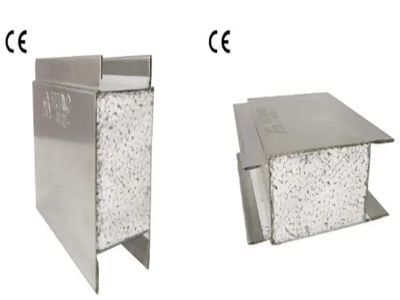
In pharmaceutical clean room applications, optimizing panel thickness is crucial for ensuring compliance with stringent industry standards and maintaining a controlled environment. This article delves into key considerations for selecting the right panel thickness, cost factors in sourcing, finding reliable suppliers, and the benefits of optimization in pharmaceutical settings. Understanding these elements helps purchasing managers, engineers, and product managers make informed decisions, ultimately enhancing operational efficiency and product quality.
Choosing the Right Panel Thickness for Clean Room Applications
Selecting the appropriate panel thickness for clean room applications hinges on several critical factors, including structural integrity, insulation requirements, and regulatory compliance. In the pharmaceutical industry, where cleanliness and sterility are paramount, the panel must not only meet physical strength requirements but also provide adequate insulation to maintain temperature and humidity levels.
Generally, sandwich panels for clean rooms range from 50 mm to 150 mm in thickness, with the choice depending on the specific application and environmental conditions. For instance, a thicker panel may be necessary in environments where temperature fluctuations are common or where heavy equipment is used. The insulation material and the panel's overall construction also play a significant role in performance.
It's essential to evaluate the expected load and pressure conditions, as inadequate thickness can lead to structural failure or contamination risks. Working closely with manufacturers like Huaao Clean Technology Group can provide insights into optimizing clean room sandwich panel thickness based on unique project specifications and operational requirements.
Cost Factors in Sourcing Sandwich Panels for Clean Rooms
The cost of sourcing sandwich panels for clean rooms can vary significantly based on several factors, including material choice, panel thickness, and customization requirements. Key cost drivers include:
Material Selection: Different materials, such as polyisocyanurate, polyurethane, or mineral wool, offer varying levels of insulation and fire resistance, which can affect price.
Thickness and Dimensions: Thicker panels or custom sizes may incur higher production costs and affect shipping logistics.
Customization: Custom features, such as specialized coatings for enhanced cleanability or specific fire ratings, will also influence the final price.
Order Quantity: Bulk orders typically lead to cost savings, but minimum order quantities (MOQ) need to be considered to optimize procurement costs.
Buyers should conduct a thorough cost analysis, factoring in not just the unit price but also potential long-term savings from energy efficiency and maintenance when selecting suppliers.
Where to Find Reliable Suppliers for Clean Room Panels?
Finding reliable suppliers for clean room panels requires careful consideration of several factors to ensure product quality and service reliability. Start by assessing suppliers' industry experience and their track record in providing solutions for pharmaceutical applications. Key points to evaluate include:
Certifications and Compliance: Look for suppliers who adhere to international quality standards and have relevant certifications, ensuring their products meet regulatory requirements.
Manufacturing Capabilities: Consider suppliers with advanced manufacturing capabilities who can produce panels tailored to your specifications. Huaao Clean Technology Group, for example, uses imported equipment to ensure high-quality production.
Customer Reviews and References: Seek testimonials or case studies from previous clients, particularly in the pharmaceutical sector, to gauge satisfaction with product performance and supplier responsiveness.
Technical Support: A reliable supplier should offer technical guidance throughout the purchasing process, from initial inquiries to post-installation support.
Establishing strong relationships with suppliers who understand the complexities of clean room environments can greatly enhance project outcomes.
Benefits of Optimizing Panel Thickness in Pharmaceutical Settings
Optimizing panel thickness in pharmaceutical clean rooms offers multiple benefits that contribute to operational efficiency and compliance with industry standards. Key advantages in clean room system include:
Enhanced Insulation: Properly selected panel thickness improves thermal performance, reducing energy costs associated with heating and cooling, and maintaining stable environmental conditions necessary for sensitive processes.
Structural Integrity: Adequate thickness ensures that panels can withstand physical loads and resist deformation over time, contributing to long-term durability and minimizing maintenance needs.
Improved Sterility: Thicker panels with appropriate sealing capabilities can help prevent contamination by minimizing air leaks and reducing the risk of particulate infiltration, which is critical in maintaining a clean environment.
Regulatory Compliance: Meeting stringent industry regulations regarding clean room environments is facilitated by optimized panel thickness, reducing the risk of non-compliance penalties and ensuring product integrity.
By collaborating with experienced manufacturers, buyers can identify the ideal panel thickness for their specific clean room applications, ultimately enhancing both safety and efficiency.
Common Problems with Clean Room Panels and Their Solutions
Despite the advantages of sandwich panels in clean room applications, several common issues may arise during their use. Addressing these challenges effectively is essential for maintaining a compliant and efficient environment. Common problems include:
Thermal Bridging: Insufficient insulation can lead to energy loss and temperature fluctuations. To combat this, ensure the chosen panel thickness provides adequate insulation values for your specific application.
Moisture Infiltration: Poor sealing or inadequate thickness can allow moisture to enter, compromising sterility. Selecting ultra clean room system panels with high-quality seals and ensuring proper installation can mitigate this risk.
Structural Failures: Panels that are too thin for the application may warp or fail under load. A thorough assessment of the load requirements and collaboration with manufacturers will help in selecting the right thickness.
Contamination: If panels are not installed correctly or if the material is prone to surface degradation, contamination risks increase. Regular inspections and maintenance are critical to ensure that panels remain intact and functional.
By understanding these common issues and working with knowledgeable suppliers, buyers can proactively address potential challenges, ensuring the integrity of their clean room environments.
Optimizing panel thickness for pharmaceutical clean room applications involves a multifaceted approach that considers material selection, cost factors, supplier reliability, and potential challenges. By focusing on these key elements, purchasing professionals can ensure they make informed decisions that enhance operational efficiency and product quality.
Table of Contents
- Choosing the Right Panel Thickness for Clean Room Applications
- Cost Factors in Sourcing Sandwich Panels for Clean Rooms
- Where to Find Reliable Suppliers for Clean Room Panels?
- Benefits of Optimizing Panel Thickness in Pharmaceutical Settings
- Common Problems with Clean Room Panels and Their Solutions
